10 Best Aluminum Foil Coating Machines for Your Business Needs?
In the fast-paced world of manufacturing, choosing the right equipment is crucial. Among these essential tools, the Aluminum Foil Coating Machine stands out. It plays a vital role in many industries, from food packaging to insulation materials. The efficiency and quality of these machines can significantly impact production.
Investing in an Aluminum Foil Coating Machine can be daunting. With various options available, how do you choose? Each machine has unique features that may or may not meet your specific needs. It's essential to consider the size, speed, and versatility of the machine. Misjudging these factors can lead to costly errors.
A good Aluminum Foil Coating Machine will increase productivity and reduce waste. However, not every machine performs as expected. It's important to research and weigh your options carefully. Some machines may seem appealing but lack durability. Reflecting on user reviews and performance metrics can guide your decision-making process.
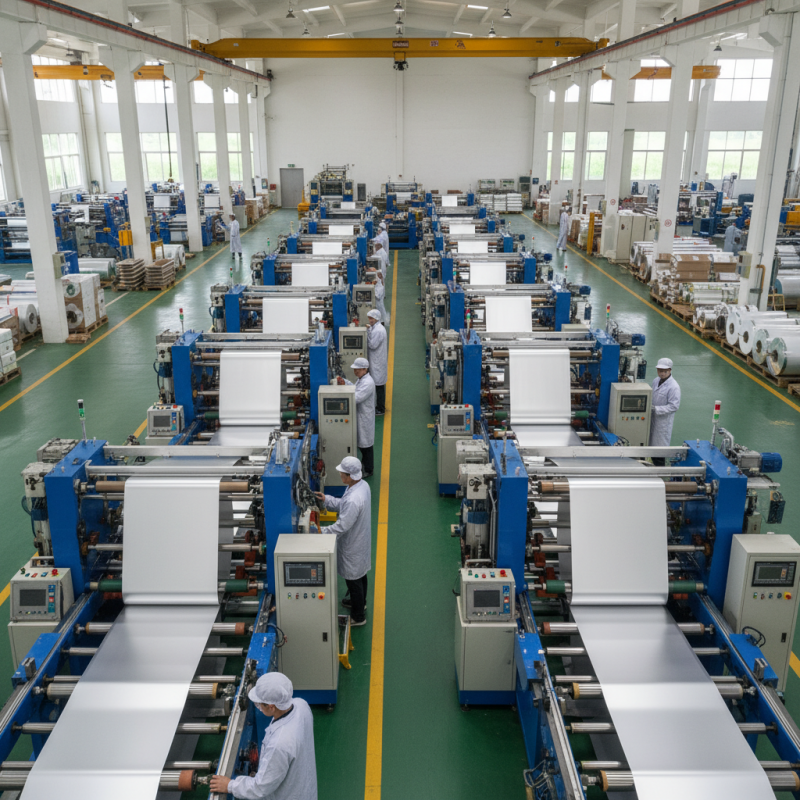
Top Considerations When Choosing an Aluminum Foil Coating Machine
When selecting an aluminum foil coating machine, several critical considerations come into play. The specific application is vital. For instance, machines designed for food packaging differ from those intended for industrial uses. According to a recent industry report, 70% of businesses found that improper application led to waste and increased costs. Understanding your product will save time and resources.
Machine size and efficiency are also crucial. The output capacity needs to align with your production goals. A study showed that efficiency drops by 30% in machines not tailored to business scale. Additionally, consider the ease of operation. Complex machinery can lead to increased training times and operational issues. If employees struggle to operate the machine, productivity suffers.
Maintenance capabilities should not be overlooked. Regular upkeep is essential for optimal performance. Data indicates that 65% of downtime in aluminum coating processes is due to preventable maintenance issues. Tracking machine performance can reveal inefficiencies. Regular reviews help identify areas for improvement. If your machine is not regularly monitored, problems may go unnoticed, leading to costly repairs down the line.
Top 10 Aluminum Foil Coating Machines - Performance Comparison
Overview of Different Types of Aluminum Foil Coating Machines
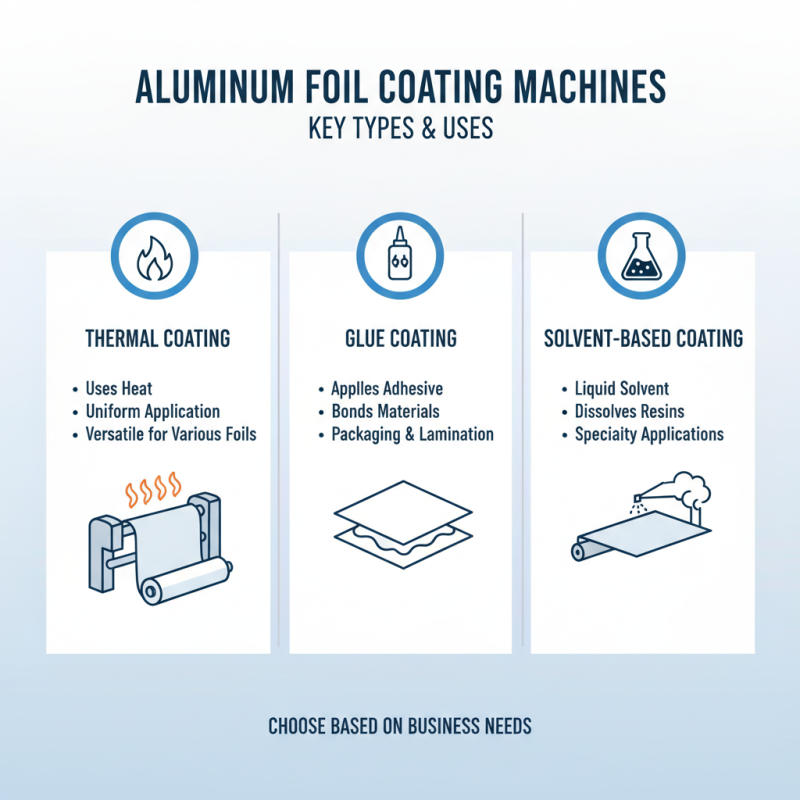
When choosing aluminum foil coating machines, it’s essential to understand the various types available. Each type serves distinct business needs. The most common types include thermal coating, glue coating, and solvent-based coating machines. Thermal coating machines are versatile for different foil materials. They utilize heat to apply the coating uniformly.
Glue coating machines are another option. They use adhesives to bond coatings onto the foil surfaces. This method is efficient and cost-effective. However, the adhesive quality can affect the final product. Solvent-based coating machines are popular for their strong bonding capabilities. They work well for heavy-duty applications.
**Tip:** Evaluate your production volume before selecting a machine. Higher volumes may justify the cost of advanced models.
Remember, not all machines fit every need. Some operators notice inconsistent coating thickness with certain models. Regular maintenance is crucial. This ensures optimal output and minimizes downtimes.
**Tip:** Always review machine specifications and user manuals. Understanding capacity and maintenance requirements is vital for smooth operations. Make sure you have trained staff ready to operate these machines effectively.
Key Features to Look for in Aluminum Foil Coating Equipment
When selecting aluminum foil coating equipment, several key features stand out. Firstly, the machine's speed and efficiency are crucial. A high production rate can enhance your overall output. Consideration of the coating thickness is equally important. Different applications may require varied thicknesses. Additionally, the ability to adjust the coating process can help achieve desired results.
Moreover, user-friendliness plays a significant role. A straightforward interface ensures operators can easily manage the machine. Maintenance requirements shouldn’t be overlooked. Equipment that needs frequent adjustments can disrupt production. Checking for automated cleaning features can save time and reduce operational hurdles.
Finally, look for versatile functionality. Some machines can handle diverse foil types and applications. This flexibility can accommodate changing business needs. However, it’s essential to evaluate whether the complexity of these features might overwhelm the operators. Simplicity often brings reliability, so balance functionality with ease of use.
10 Best Aluminum Foil Coating Machines for Your Business Needs
| Machine Model |
Coating Speed (m/min) |
Coating Thickness (μm) |
Max Width (mm) |
Power Consumption (kW) |
Weight (kg) |
| Model A |
15 |
10 |
500 |
5 |
1200 |
| Model B |
20 |
8 |
600 |
7 |
1400 |
| Model C |
18 |
12 |
550 |
6 |
1300 |
| Model D |
25 |
9 |
700 |
8 |
1600 |
| Model E |
10 |
7 |
400 |
5.5 |
1100 |
Comparison of Leading Brands for Aluminum Foil Coating Machines
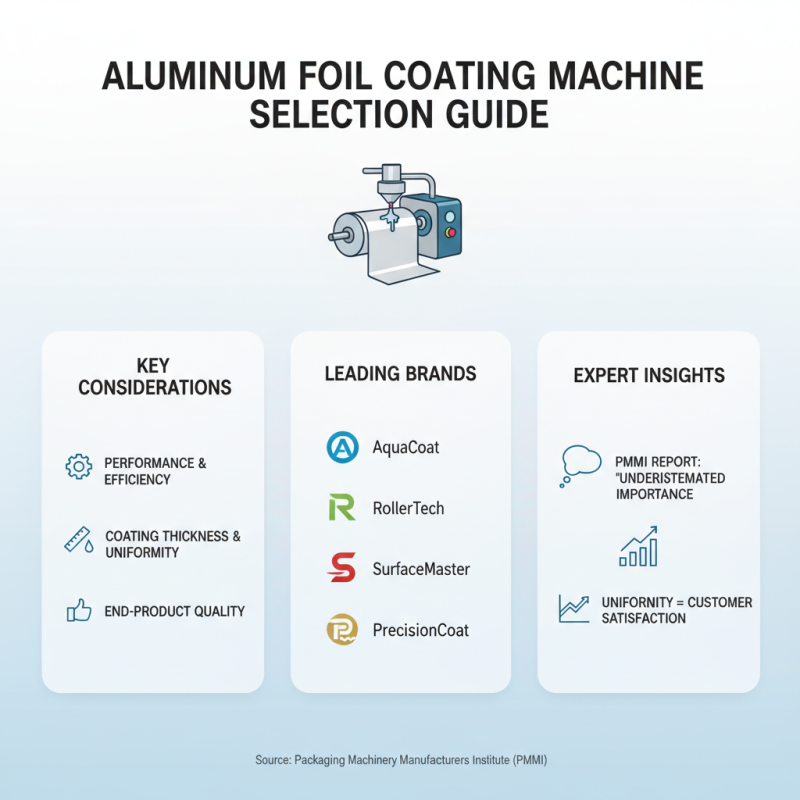
When selecting an aluminum foil coating machine, understanding different leading brands is crucial. Studies indicate that performance, efficiency, and suitability can vary widely among models. For instance, a report by the Packaging Machinery Manufacturers Institute (PMMI) highlighted that businesses often underestimate the importance of coating thickness and uniformity. These factors greatly influence the end product quality and customer satisfaction.
Efficiency is another key point. According to recent statistics, machines that offer rapid changeovers and easy adjustments typically yield a 30% increase in production rates. However, not all options provide such features. Some machines may require more manual adjustments, which can slow down operations. Choosing the right machine can be a daunting task, especially with inconsistent market data.
Tips: Always consider machine footprint and maintenance needs. A compact design can save space but may limit performance. Ensure you have detailed specifications, as missing crucial data can lead to poor investment choices. Also, inquire about after-sales support and warranty terms, as these can affect long-term operational success.
Cost Analysis and Budgeting for Aluminum Foil Coating Solutions
Investing in aluminum foil coating machines can significantly impact your production efficiency. The initial cost varies widely based on features and capabilities. Some models are designed for high-volume operations, which naturally drives up expenses. Basic machines, while economical, may lack the advanced capabilities needed for specialized coatings. It's crucial to assess your business needs before making a decision.
Budgeting effectively means considering not only the purchase price but also maintenance and operation costs. Regular maintenance can add additional expenses over time. If a machine breaks down frequently, it can lead to lost production time and revenue. Small businesses must also factor in training costs for staff to operate the equipment efficiently. This oversight can lead to improper usage and costly errors.
Analyzing cost versus value is essential. While a cheaper machine might seem appealing, the hidden costs can accumulate. Some machines may require more materials or energy, ultimately impacting your bottom line. It's worth taking the time to reflect on your long-term needs and potential growth.