2026 Best Flexible Circuit Board Coater for Your Needs?
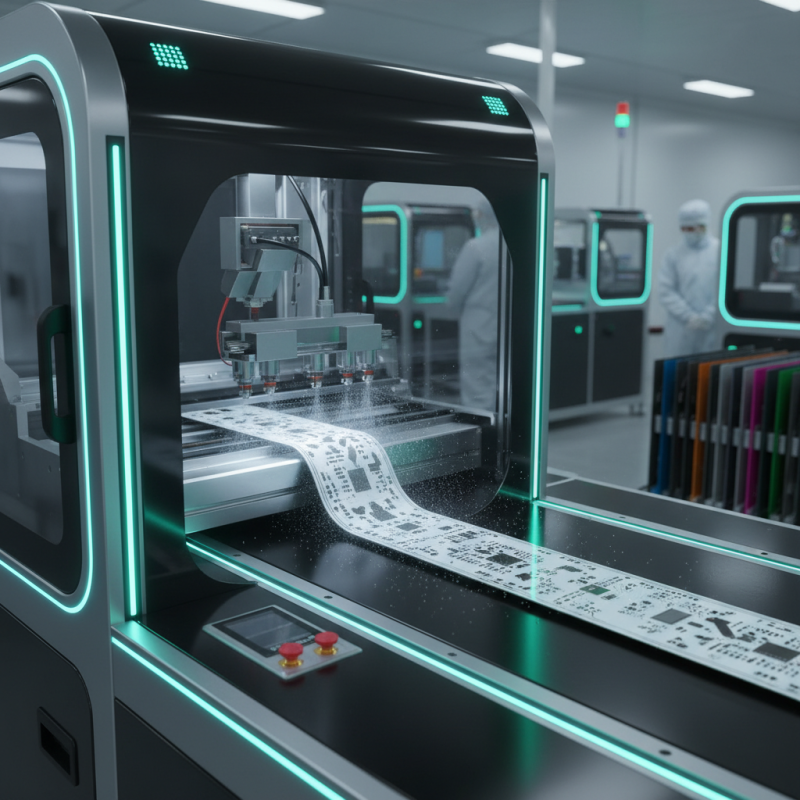
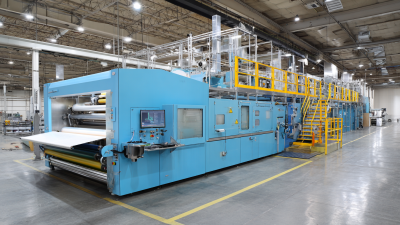
As the electronics industry evolves, the demand for quality Flexible Circuit Board Coaters rises. These tools are vital for enhancing the performance and durability of flexible circuit boards. In 2026, choosing the right coater is essential for manufacturers.
Today’s market offers numerous options, but it can be overwhelming. Not all coater models deliver the same results. Each has its own features, strengths, and weaknesses. Quality varies widely between manufacturers. Some may not meet industry standards or your specific needs.
Finding a suitable Flexible Circuit Board Coater requires careful examination. It's crucial to consider factors like cost, efficiency, and reliability. A poorly chosen coater can lead to production delays. This choice could impact your products’ quality negatively. So, take time to research, reflect, and assess your specific requirements. It’s a critical step in ensuring your product’s success.
2026 Trends in Flexible Circuit Board Coating Technologies
The flexible circuit board coating technologies are evolving rapidly. In 2026, trends show a shift towards more sustainable materials. Eco-friendly coatings can reduce environmental impact. They enable manufacturers to meet strict regulations without compromising performance. According to a recent industry report, over 40% of circuit board manufacturers are prioritizing sustainable solutions.
Tips: Regularly assess the materials you use. Sustainable choices can enhance your brand’s reputation.
The focus on miniaturization continues to drive innovation. As devices get smaller, coatings must provide reliable protection without adding bulk. Thin film technologies are gaining traction. These films allow for better signal integrity. Studies indicate that up to 30% of manufacturers reported improvements in performance with updated coatings.
Tips: Stay updated on new technologies. Continuous learning can boost your competitive edge.
While advancements are significant, challenges remain. Some coatings may not adhere well to all substrates. Poor adhesion can lead to failures. It’s important to test materials thoroughly before production. Reflection on past mistakes can lead to better practices in the future.
Key Features of Advanced Flexible Circuit Board Coaters
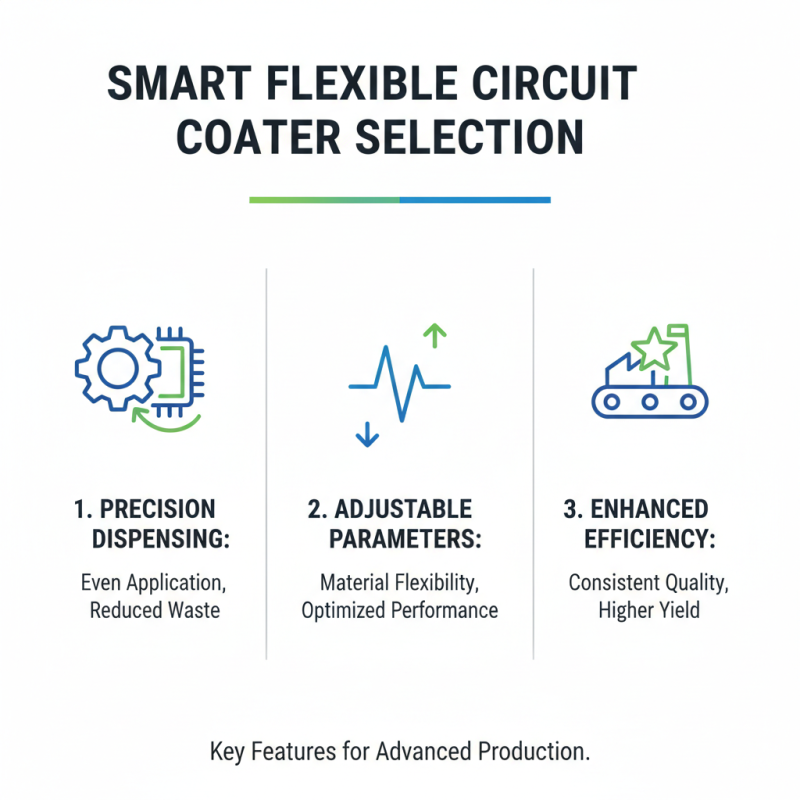
When selecting a flexible circuit board coater, consider key features that can enhance your production process. Advanced models often include precision dispensing systems. These systems ensure the coating material is applied evenly. Consistency in application reduces waste and increases efficiency. Look for adjustable parameters, allowing for fine-tuning based on material type. This flexibility can lead to better performance in various applications.
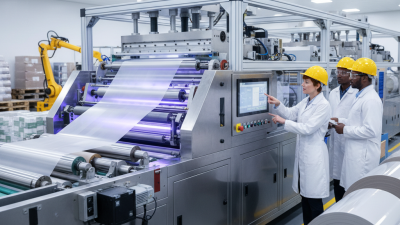
Another important aspect is the curing method. Some coaters use UV curing, while others employ thermal processes. Each method has its pros and cons. UV curing typically offers faster drying times. However, it may not be suitable for all materials. On the other hand, thermal curing provides a more versatile approach. Evaluating your specific needs is crucial here.
Lastly, consider user-friendly interfaces. Complex machines can create frustration and errors. An intuitive control panel simplifies adjustments and operation. Still, it's essential to receive adequate training on any new equipment. Manufacturers provide manuals, but hands-on experience is invaluable. Reflecting on past experiences can guide improvements in workflow and efficiency.
Comparative Analysis of Top Coating Materials for Flex Circuits
When selecting coating materials for flexible circuit boards, several factors come into play. The choice can significantly influence performance, durability, and cost. Resin-based coatings are popular due to their excellent adhesion and flexibility. They cater well to the unique demands of flex circuits. However, they can be prone to yellowing over time, impacting appearance.
Silicone coatings offer advantages too. They provide impressive thermal stability and moisture resistance. This makes them a go-to for harsh environments. Their application is straightforward, but they sometimes lack the robustness needed for high-stress conditions. Users often report that achieving the right thickness can be challenging.
Polymeric coatings represent another option. They can deliver high flexibility alongside good chemical resistance. However, the application process can be tricky. It requires precise adjustments to avoid common issues like bubbling or unevenness. Finding the perfect balance between resilience and adaptability often requires a trial-and-error approach.
Comparison of Top Coating Materials for Flexible Circuit Boards
Industry Standards and Certifications for Flexible Circuit Board Coaters
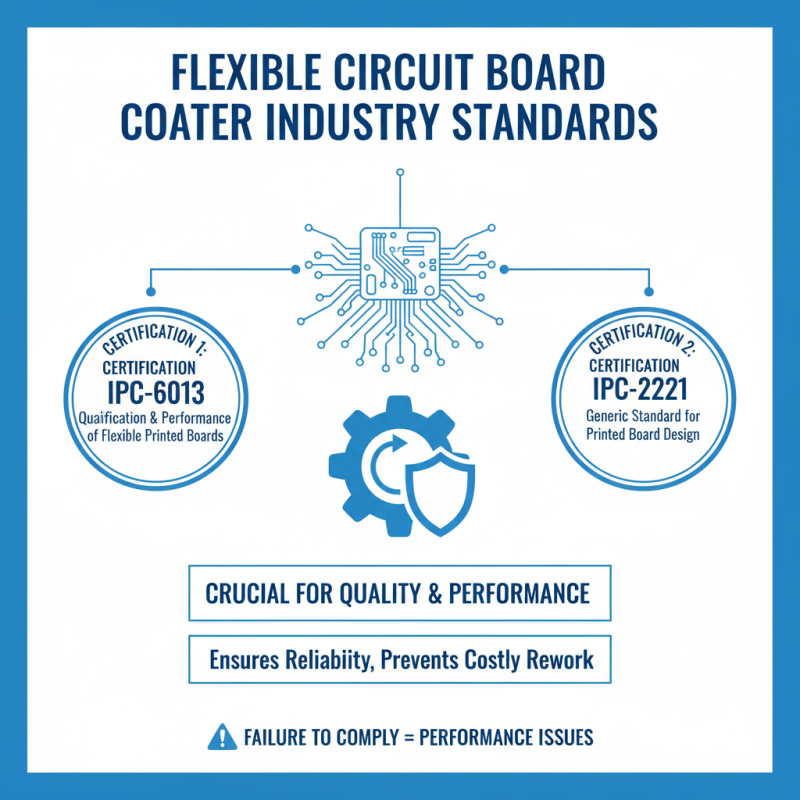
When selecting a flexible circuit board coater, industry standards play a crucial role. Coaters must comply with various certifications to ensure quality and performance. Two key certifications are IPC-6013 and IPC-2221. These set the benchmark for quality in circuit board manufacturing. Not adhering to these standards can lead to performance issues and costly reworks.
Reports indicate that up to 30% of circuit board failures are linked to inadequate coating. A reliable coater must ensure uniform application. Thickness and adhesion quality are critical factors. Current data shows that coatings with less than 3 mils thickness often fail to offer adequate protection. This could result in reduced lifespan and functionality of the circuit board.
Professional sources recommend testing every batch of coated boards for adhesion and durability. Many manufacturers overlook this, risking product integrity. Neglecting these details, such as environmental resistance, can lead to significant losses. The need for ongoing quality assurance processes cannot be overstated. Consistent monitoring helps identify deviations early, ensuring that the final products meet industry expectations.
Market Forecast: Demand for Flexible Circuit Board Coaters by 2026
The market for flexible circuit board coaters is expected to grow significantly by 2026. This growth indicates a rising demand among various industries, particularly electronics and automotive. Many manufacturers are looking to improve production efficiency. The flexibility of these boards allows intricate designs for compact devices.
Several factors contribute to this increased demand. First, the trend towards miniaturization in technology continues to push for advanced coating solutions. Additionally, the push for sustainable practices is prompting manufacturers to invest in eco-friendly materials. However, some may struggle to keep up with these innovations.
Challenges still exist in terms of quality control and the need for skilled technicians. The balance between cost and quality is a constant consideration. Businesses may need to rethink their strategies to stay competitive. Adapting to new technologies while maintaining product reliability requires ongoing effort and reflection.
2026 Best Flexible Circuit Board Coater for Your Needs? - Market Forecast: Demand for Flexible Circuit Board Coaters by 2026
| Region |
Market Size (USD Million) |
Growth Rate (%) |
Key Applications |
| North America |
150 |
5.2 |
Consumer Electronics, Automotive |
| Europe |
120 |
4.7 |
Medical Devices, Industrial Equipment |
| Asia-Pacific |
250 |
6.5 |
Telecommunications, Wearable Technology |
| Latin America |
50 |
3.8 |
Consumer Appliances |
| Middle East & Africa |
30 |
2.9 |
Military Applications, Smart Cities |