How to Choose the Best Film Coating Machine for Your Needs?
Choosing the right film coating machine is crucial for any manufacturing operation. According to industry expert Dr. Rebecca Lin, "Selecting the right equipment can significantly influence production quality and efficiency." With many options available, understanding your specific needs is essential. The film coating machine market is vast, offering various features and technologies.
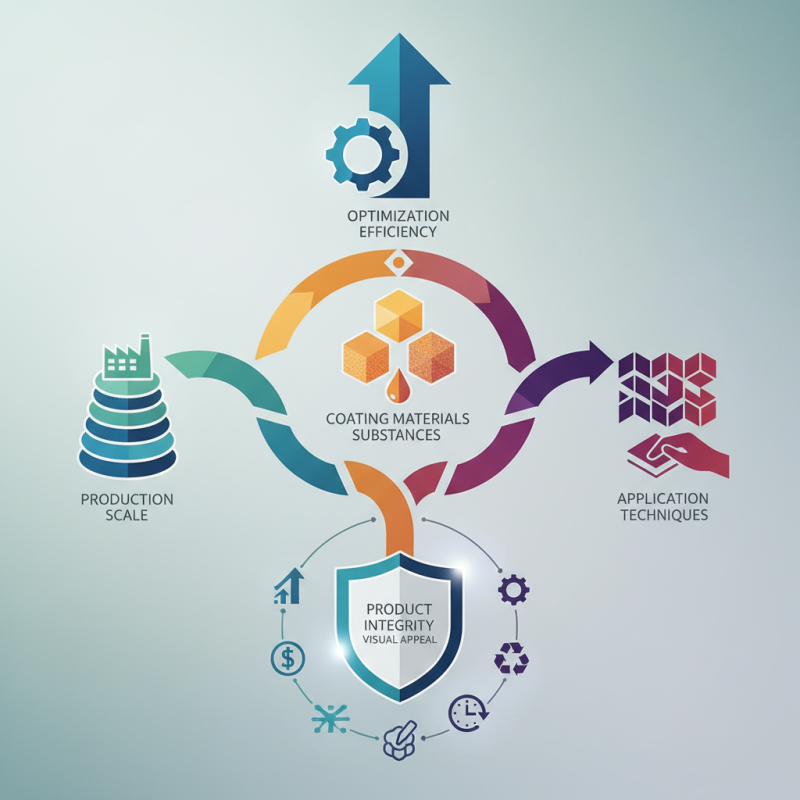
A well-chosen film coating machine enhances product integrity and visual appeal. It can improve the overall quality of your products, leading to greater customer satisfaction. However, selecting a machine involves careful consideration. Factors to evaluate include production scale, coating materials, and application techniques. Misjudging these elements can lead to costly mistakes.
Investing time in research can pay off in the long run. Assessing the specifications of potential film coating machines will help ensure they meet your demands. Remember that choosing equipment is not just about the price. The right machine also fosters better operational flow and minimizes waste. Finding the perfect match may take time, but it is worth the effort for optimal outcomes.
Understanding Film Coating: Definition and Benefits in Manufacturing
Film coating is an essential process in manufacturing, offering numerous advantages. It involves applying a thin layer of a polymeric material onto a product. This layer often acts as a protective shield, enhancing product lifespan and stability. Moreover, it improves appearance and user experience.
Understanding the benefits of film coating can help manufacturing businesses make informed choices. This coating can minimize degradation from environmental factors. Additionally, it often reduces friction, improving performance in mechanical applications.
While these advantages are significant, the choice of a film coating machine requires careful consideration. Incorrect choices can lead to inefficiencies. It’s crucial to assess production scale and product types.
The film coating process can also be complex. Variability in material properties may lead to inconsistent results. Testing different parameters is necessary. Manufacturers often find themselves refining techniques over time. Emphasizing the right process aids in achieving optimal results.
This careful evaluation ensures the end product meets quality standards. Choosing the right machine, therefore, is not merely a technical decision; it impacts productivity and overall business success.
Key Types of Film Coating Machines and Their Applications in Various Industries
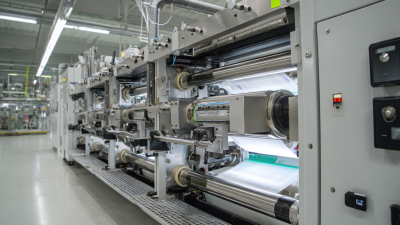
When choosing a film coating machine, understanding the different types available is crucial. Each type serves distinct applications across various industries. For example, tablet coating machines are essential in pharmaceuticals. They ensure that active ingredients are effectively coated. In food processing, equipment that applies edible coatings enhances flavor and protects products.
Film coating machines also find use in cosmetic manufacturing. They help encapsulate powders into advanced formulas, making application smoother. In electronics, these machines apply coatings that protect components from moisture and dust. Different industries have specific requirements; thus, selecting the right machine is vital.
Tips: Consider the scale of production. Smaller operations might benefit from a compact machine, while larger manufacturers need high-capacity units. Always evaluate ease of maintenance and availability of spare parts. Consultation with experts can guide you in choosing the most suitable option. Don't overlook the potential for customization. A machine that offers flexibility could adapt as your needs evolve.
Film Coating Machines: Key Types and Their Applications
Factors to Consider When Selecting a Film Coating Machine for Production Needs
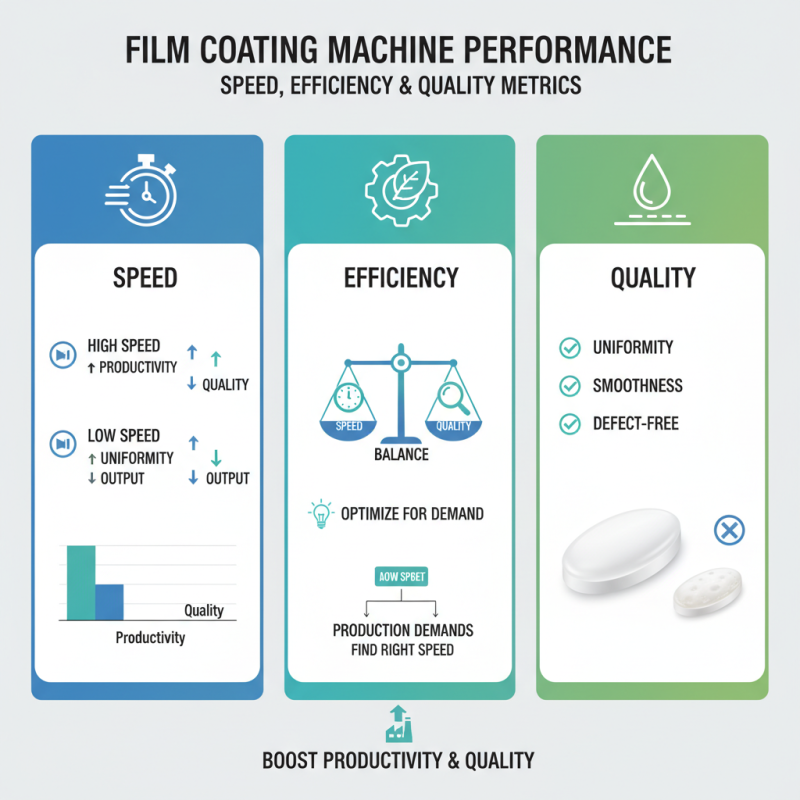
When selecting a film coating machine, certain factors are essential to ensure it fits your production needs. One key consideration is the machine's capacity. A report from the Global Coating Equipment Market estimates that the demand for high-capacity machines has risen by 12% in recent years. This increase reflects the growing need for efficiency in production settings. Assess your production volume and the type of materials you'll use. The right capacity can prevent delays and enhance productivity.
Another critical aspect to explore is the machine's technology. Many modern film coating machines offer advanced features such as automated controls and precise application techniques. These features can improve coating uniformity, which is crucial for product quality. Research indicates that machines equipped with automation technology often reduce coating defects by up to 30%. However, not all technologies suit every production line. It's vital to evaluate how these features align with your specific requirements and workflow.
Maintenance and support are also crucial considerations. A reliable film coating machine should come with comprehensive service options. Some reports suggest that 15% of production downtime is linked to equipment failure or inadequate maintenance. Understanding the maintenance requirements of different machines can help you avoid unexpected costs. Ensure that the manufacturer provides adequate training and reliable support. Balancing these factors will lead to a more satisfactory choice.
How to Choose the Best Film Coating Machine for Your Needs?
| Feature |
Description |
Importance |
| Coating Speed |
Measured in grams per minute, it impacts production efficiency. |
High |
| Coating Thickness |
Ability to control uniformity and precision in coating thickness. |
High |
| Machine Size |
The overall dimensions that will fit in your production facility. |
Medium |
| Material Compatibility |
Ability to work with various substrates and coatings. |
High |
| User Interface |
Ease of use and clarity in operating controls and settings. |
Medium |
| Maintenance Requirements |
Frequency and ease of maintenance routines to ensure uptime. |
High |
| Cost |
Initial investment and operational costs over time. |
Very High |
Industry Trends: Innovations and Technological Advances in Film Coating Machines
The film coating industry has seen significant innovations lately. Manufacturers are focusing on automation and precision. These advancements enhance efficiency and reduce waste. Modern machines can apply coatings uniformly on complex shapes. This is crucial for industries like pharmaceuticals and electronics. Automation minimizes human error and increases production speed.
Sustainability is also a driving factor. New technologies reduce solvent emissions and energy consumption. Machines now use eco-friendly materials, addressing regulatory pressures. However, not all innovations come without challenges.
Adopting new technologies requires careful training and adjustments. Companies may struggle to keep up with rapid changes. It's essential to evaluate your specific needs when choosing a machine.
Data-driven decision-making tools have emerged, aiding businesses in selecting the right equipment. They analyze production requirements and suggest suitable options. Yet, relying too heavily on technology can overlook human expertise. Balancing these factors is vital for long-term success.
Investing in a film coating machine is not just about features; it is about aligning with your operational goals.