How to Choose the Right Coating Machine for Your Needs?
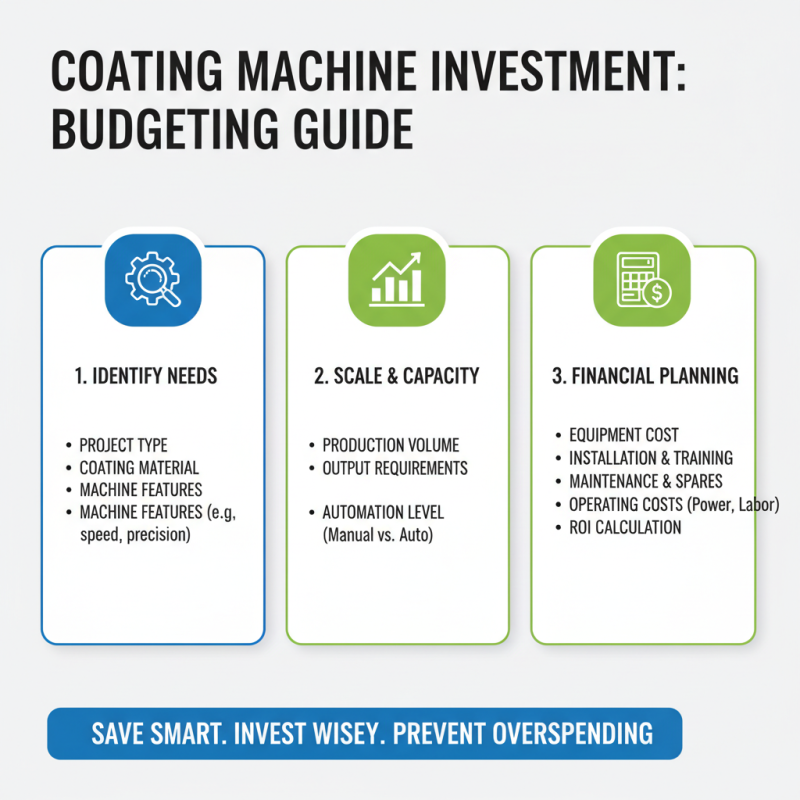
Choosing the right Coating Machine can be challenging. The market offers many options, each with unique features. It's essential to identify your specific needs before making a decision. Consider the materials you'll be working with. Different coatings require different machines. Pay attention to the production scale as well.
Some machines suit small batches, while others are designed for mass production. You might be drawn to the latest technology, yet it's not always necessary. Sometimes, a simple machine can do the job effectively. Reflect on your budget, too. Higher prices do not always mean better performance.
Take the time to research various models. Look for user reviews and case studies. This information provides valuable insights. Ultimately, you want a Coating Machine that aligns with your goals. Balancing quality, price, and functionality is crucial. Think critically, weigh your options, and make an informed choice.
Types of Coating Machines Available in the Market
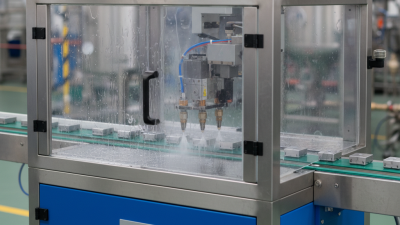
When selecting a coating machine, understanding the types available is essential. The market offers several options, each with unique features. There are spray coating machines, often used for their versatility. These machines can apply thin or thick layers of various coatings. They are suitable for large surfaces and intricate designs. But they can also require precise skill to operate effectively.
Then, we have roller coating machines. These are often used for uniform coverage. They work well on flat surfaces and are efficient with continuous production. However, there can be limitations with shapes and sizes. Users may find adjustments challenging. Another type is dip coating machines, which are great for immersing items in a coating solution. They are useful for smaller components, but waste can be an issue.
Lastly, consider electrostatic coating machines. They help improve adherence and minimize overspray. While they are efficient, the initial setup can be complex. Each type of coating machine has its advantages and drawbacks. Assessing your specific needs, the size of your production, and the type of finishes you require is vital to make the right choice. Keep in mind that mistakes in selection can lead to inefficiencies and increased costs.
Factors to Consider When Selecting a Coating Machine
Choosing the right coating machine requires careful consideration of several key factors. One major factor is the type of material you’re coating. Different machines excel with varying materials, such as paper, metals, or plastics. According to industry reports, over 30% of manufacturers face issues because they don’t match machine capabilities with material properties.
Another consideration is the production speed. Machines with higher output rates can significantly impact efficiency. Research shows that a speed increase of only 10% can enhance productivity, leading to cost savings. However, faster doesn’t always mean better. Machines operating at higher speeds may compromise the quality of the coating. This trade-off needs thoughtful evaluation.
Maintenance requirements also play a crucial role. Some machines demand frequent upkeep, while others offer more durability. A report indicated that nearly 25% of businesses experience unplanned downtimes due to neglecting maintenance. Reflecting on machine reliability, ask yourself: Is it worth the initial savings? An informed choice can mitigate risks and enhance long-term performance.
Understanding Your Coating Material Compatibility
When selecting a coating machine, compatibility with your coating material is crucial. Different materials require different applications. For instance, liquid coatings often need specialized machines. Powder coatings, on the other hand, have their own requirements. An understanding of your specific material can help you avoid costly mistakes.
Consider the viscosity of your coating material. High-viscosity substances may clog machinery. If you're working with a thicker coating, ensure the machine can handle it. Pay attention to the temperature as well. Some coatings can be sensitive to heat. If you don't consider these factors, you might face production delays.
Testing your materials is another essential step. Some machines may not work well with certain coatings. Always run trial batches before full production. This can save you time and resources. Reflecting on early experiences can help refine your choices. Engage with operators to gather feedback. Their insights are invaluable for selecting the right machine.
Assessing Production Scale and Efficiency Requirements
When choosing a coating machine, understanding your production scale is vital.
A small operation may not need extensive machinery. Consider what volume you plan to process. A larger scale often requires more complex machines.
But, scaling too quickly can lead to inefficiencies. You might invest in equipment that outpaces your actual needs.
Efficiency requirements also play a significant role. Look into the speed of application. Some machines can coat quickly but may sacrifice quality.
A careful balance between speed and precision is crucial. To achieve this, it’s essential to evaluate your product specifications.
Are you working with delicate materials? Then, a machine designed for gentle handling is necessary.
Don’t forget to consider downtime and maintenance. Machines need regular upkeep.
Overlooking this can impact production flow. Adjustments may be necessary as your operation evolves.
Reflecting on your unique needs and challenges will guide you toward the right choice.
Investing time in this process pays off in the long run.