Top 10 Customizable Coating Machines for Global Buyers?
In today’s manufacturing landscape, the demand for versatile production tools is paramount. A Customizable Coating Machine stands out as an essential investment for global buyers. These machines cater to varied industry needs, allowing for tailored solutions that enhance efficiency and product quality.
Selecting the right coating machine involves careful consideration. Factors such as material compatibility, application methods, and scalability play critical roles. A well-chosen Customizable Coating Machine can significantly influence production speed and precision. However, not every machine meets every requirement. Buyers must reflect on specific operational goals and constraints.
Some machines offer advanced features but may come with a steep learning curve. Others are user-friendly but might lack versatility. It is vital for buyers to assess their unique needs and potential challenges in their production processes. In doing so, they can ensure that their investment yields reliable and effective results.
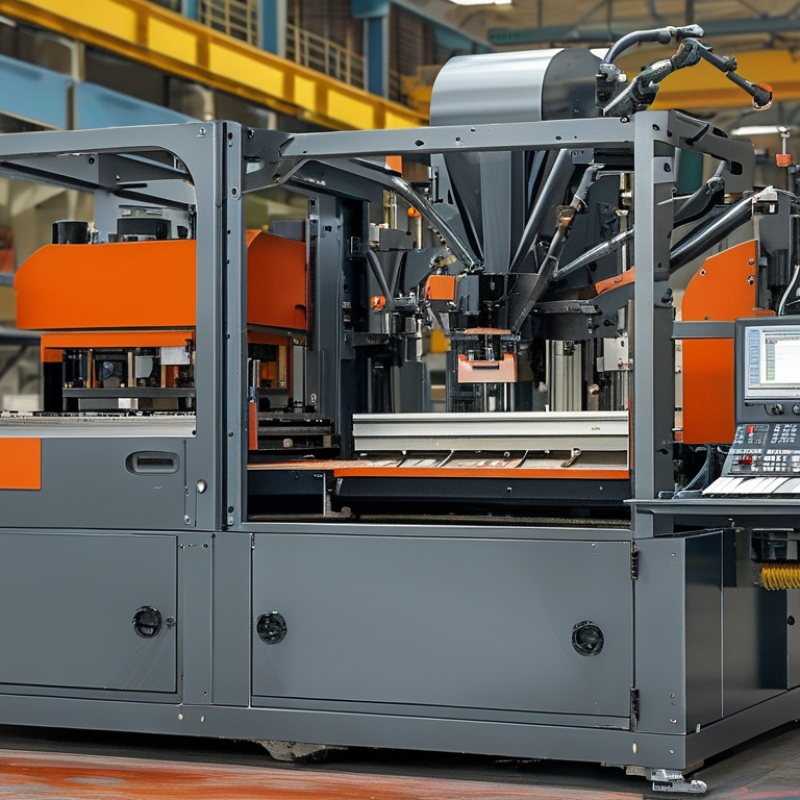
Overview of Customizable Coating Machines in the Global Market
The global market for customizable coating machines is expanding rapidly. Manufacturers offer a range of machines designed to meet specific customer requirements. These machines cater to various industries, including automotive, electronics, and pharmaceuticals. Flexible features are essential to accommodate different applications and product sizes. Customization can enhance efficiency and improve overall productivity.
Adaptability in design is critical for modern production. Buyers seek machines that can easily integrate into existing processes. Innovations focus on user-friendly interfaces and advanced technology. However, not all customizable machines deliver consistent results. Some face challenges in adjusting to unique demands. This underlines the importance of rigorous testing before implementation.
Buyers should consider their specific needs carefully. A well-informed decision can lead to increased profitability. Gathering insights from experienced users can be invaluable. The right machine can transform production processes, but it requires thoughtful evaluation and testing. Balancing flexibility and reliability remains a key consideration in the selection process.
Top 10 Customizable Coating Machines for Global Buyers
| Machine Type |
Application |
Coating Type |
Capacity (kg/h) |
Customization Options |
| Spray Coating Machine |
Food Products |
Liquid Coating |
100-500 |
Nozzle Types, Speed Settings |
| Belt Coating Machine |
Pharmaceuticals |
Powder Coating |
200-1000 |
Conveyor Speed, Coating Thickness |
| Drum Coating Machine |
Agriculture |
Granule Coating |
150-800 |
Rotation Speed, Temperature Control |
| Fluid Bed Coater |
Nutraceuticals |
Film Coating |
50-300 |
Airflow Control, Batch Size |
| Vacuum Coating Machine |
Electronics |
Thin Film Coating |
10-100 |
Substrate Size, Layer Type |
| Roller Coating Machine |
Construction |
Liquid Coating |
200-1200 |
Roller Type, Coating Width |
| Electrostatic Coating Machine |
Automotive |
Powder Coating |
100-700 |
Voltage Control, Powder Feed Rate |
| Hot Air Coating Machine |
Beverages |
Sugar Coating |
150-900 |
Temperature Adjustment, Coating Time |
| Multi-Layer Coater |
Confectionery |
Multi-Layer Coating |
300-1000 |
Layer Type, Rotation Speed |
| Nano Coating Machine |
Textiles |
Nano Coating |
50-400 |
Nozzle Diameter, Coating Speed |
Key Features to Consider When Selecting Coating Machines
Selecting the right coating machine can be overwhelming. Focus on key features that meet production needs. A recent industry report indicates that automation is crucial for increasing efficiency. Automated machines reduce human error, leading to higher quality coatings. They also lower labor costs, making them a wise investment.
Versatility is another important consideration. Customizable machines can handle various products and coating types. Studies highlight that machines capable of applying different coatings can boost production by 25%. This adaptability is vital for businesses facing diverse customer demands. Not all machines offer the same flexibility, so evaluate options carefully.
Finally, think about maintenance and support. Reliable machines require consistent upkeep to operate effectively. Research shows that over 30% of production downtime is attributed to machine malfunctions. Choosing machines with robust customer service can mitigate these risks. Seek machines with easily accessible parts and technical support to ensure smooth operations. Reflect on these factors to enhance your coating processes.
Top 10 Customizable Coating Machines: A Detailed Comparison
When evaluating customizable coating machines, various factors come into play. Each machine offers unique features that cater to specific industries. For example, some machines allow for precise temperature control, while others focus on application speed. Understanding these differences is crucial for buyers looking for the best fit for their needs.
Customization is a vital aspect of these machines. Some systems enable users to adjust the coating thickness easily. This flexibility can enhance product performance and reduce material waste. However, finding a machine that balances ease of use with advanced features can be challenging. Sometimes, buyers may overlook the importance of after-sales support and maintenance in their decision-making.
In terms of reliability, certain machines may have a proven track record in diverse settings. Yet, others might present shortcomings in specific environments. Buyers should consider how well a machine performs under varying conditions. Reflecting on past user experiences can guide better choices. It is essential to weigh both the advantages and the potential drawbacks of each option.
Applications and Industries Utilizing Customizable Coating Technology
Customizable coating technology plays a pivotal role across various industries. In the food sector, it ensures products remain fresh and safe. Specialized coatings help in creating a barrier against moisture and contaminants. This technology also enhances the shelf life of packaged goods. In pharmaceuticals, coatings protect sensitive drugs from environmental factors. Customizable features allow for varying thicknesses, ensuring optimal release rates for medications.
Automotive and electronics industries are also big users of customizable coating machines. Coatings serve to improve durability and resistance to corrosion. These applications enhance the longevity of parts, making them more reliable. In textiles, customizable coatings improve water resistance and stain repellency. Manufacturers often experiment with different formulations to achieve desired features, leading to innovative solutions.
However, challenges remain. Finding the right formulation requires extensive testing. The balance between performance and cost is delicate. Companies sometimes face issues with inconsistent quality. Addressing these concerns is crucial for the future of customizable coating technologies. Continuous improvement and feedback from users are essential to drive advancements in this field.
Future Trends in Customizable Coating Machinery Development
The field of customizable coating machinery is rapidly evolving. According to a recent report, the global market for coating machines is projected to grow by 4.6% annually through 2028. This growth is driven by advancements in technology and increasing demand for precision in various industries. Customizable machines are gaining popularity due to their ability to adapt to different applications, which enhances efficiency and quality.
Emerging trends highlight the shift towards automation. Many manufacturers are investing in smart technologies. This includes IoT integration and AI-driven processes. These advancements allow for real-time monitoring and enhanced control over the coating process. However, the adoption of such technologies poses challenges like the need for skilled personnel and high initial investments. Companies must reflect on their readiness to embrace these shifts.
Another significant trend is the focus on sustainability. Eco-friendly coatings are becoming essential in construction and manufacturing. Reports indicate that 30% of buyers now prefer machinery that can utilize these sustainable materials. However, sourcing such materials and ensuring compatibility can be complex. It is crucial for manufacturers to weigh the benefits against the potential hurdles. The future of customizable coating machinery can be promising, yet requires careful consideration of these evolving demands.
Top 10 Customizable Coating Machines for Global Buyers