What is a Double-Sided Coating Machine and Its Benefits?
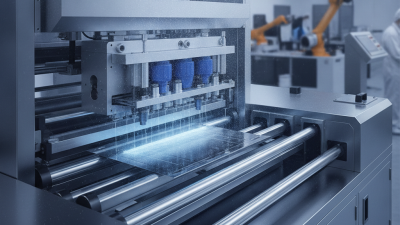
In the realm of advanced manufacturing, the Double-Sided Coating Machine stands out for its efficiency and versatility. According to Dr. Emily Chen, a leading expert in coatings technology, "This machine revolutionizes how we apply coatings, enhancing product quality while reducing costs." The Double-Sided Coating Machine delivers uniform coatings on both sides of materials, significantly improving production speed and consistency.
With increasing demands for high-quality and durable products, manufacturers are embracing double-sided coating technology. The benefits include reduced labor costs and lower material waste. However, transitioning to this advanced machinery can be challenging. Not all facilities can accommodate its complex requirements. Implementation must be approached thoughtfully.
Experts emphasize careful planning and training. The Double-Sided Coating Machine is not a one-size-fits-all solution. Each operation must assess its unique needs and capabilities. The potential for increased output and quality is immense, yet the initial adaptation period may expose shortcomings in existing processes. Embracing innovation requires both courage and introspection.
What is a Double-Sided Coating Machine?
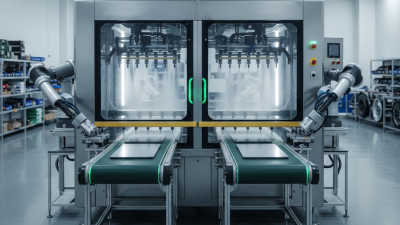
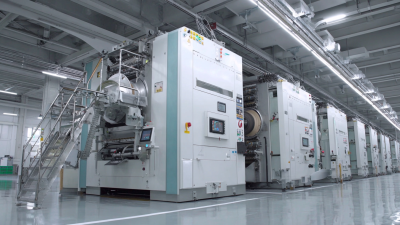
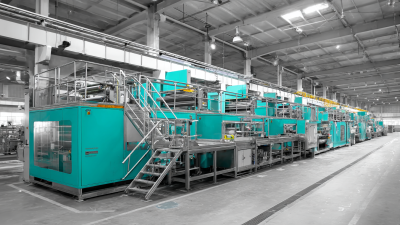
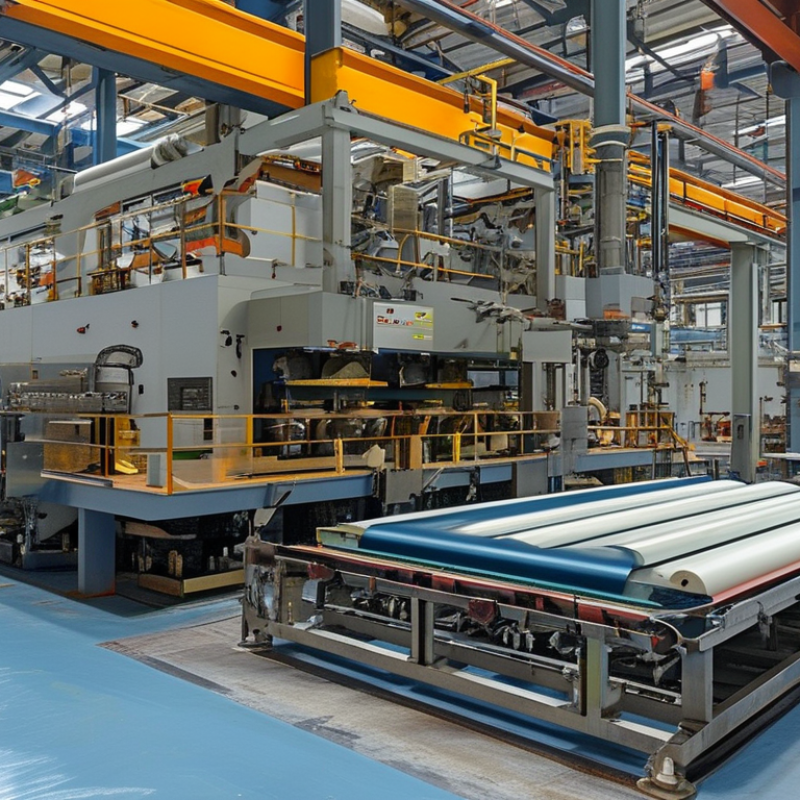
A double-sided coating machine is an innovative piece of equipment used in various industries. It applies coatings to both sides of a substrate simultaneously. This feature significantly enhances efficiency and productivity. Manufacturers often use this machine for paper, metal, and plastics. The ability to coat both sides at once reduces processing time.
Using a double-sided coating machine brings several advantages. It improves the uniformity of the coating, leading to better quality products. This machine allows for various coatings, including varnishes and adhesives. The speed of operation can also lower production costs. However, the complexity of the machine may require skilled operators and regular maintenance.
It's crucial to understand potential challenges. The initial investment for a double-sided coating machine can be significant. Operators must ensure proper settings for desired coating thickness. Training staff is essential to prevent costly mistakes. Overall, this technology requires careful implementation but can greatly enhance manufacturing capabilities.
Key Components of a Double-Sided Coating Machine
A double-sided coating machine is a critical tool in various manufacturing sectors, notably in electronics and packaging. The efficiency of these machines hinges on key components that ensure optimal performance. One primary component is the applicator system, which distributes the coating evenly on both sides of the substrate. Accuracy in this step is vital to minimize waste and ensure quality. According to industry reports, precise applicators can reduce coating material usage by up to 30%, enhancing overall production efficiency.
Another essential part is the drying system, crucial for fast-paced production lines. Heat or UV light is commonly employed to cure the coating quickly, preventing any smudging or distortion. A well-designed drying system can improve throughput by nearly 25%, enabling faster turnaround times. The configuration of the machine also plays a role; for instance, some advanced units can handle various substrate types without extensive adjustments.
Tips: Regular maintenance of the coating machine's components is critical. Neglecting this can lead to reduced efficiency or product defects. Operators should also be trained on the specific features of their machinery to optimize performance actively. Monitoring production metrics helps identify areas for improvement, ensuring reliability and quality in the long run.
How Does a Double-Sided Coating Machine Work?
A double-sided coating machine is essential in various industries. It allows for the efficient application of coatings on both sides of a substrate simultaneously. This process increases productivity and ensures uniform coverage, which is critical for quality control. The machine can handle materials like paper, metal, and plastic, catering to diverse applications.
The working mechanism of a double-sided coating machine involves a series of rollers and applicators. The substrate moves through the machine, where the coating material is applied evenly. The design ensures that both sides receive the same treatment, leading to consistent results. Some machines include drying mechanisms that help set the coating rapidly, enhancing overall efficiency.
However, operating a double-sided coating machine requires expertise. Operators must understand the properties of various coatings and the substrate involved. Adjustments for thickness and drying times may be necessary. Miscalculations can lead to uneven application or wasted materials. Continuous monitoring is vital to refine the process and achieve optimal results.
Advantages of Using a Double-Sided Coating Machine
Double-sided coating machines have become essential in various industries, especially in manufacturing and processing. These machines are designed to apply coatings on both sides of a substrate simultaneously. This innovative approach enhances efficiency and reduces production time. With the ability to coat both surfaces in one pass, manufacturers can significantly streamline their processes.
One of the most notable advantages is the consistency it offers. Uniform coating on both sides leads to better quality control. It minimizes defects and inconsistencies that might arise from applying coatings separately. This precision can save businesses time and money in the long run. Moreover, double-sided coating machines can handle various types of coatings, from paints to adhesives, making them versatile for different applications.
Despite their benefits, some challenges exist. Operators must ensure proper machine settings for optimal performance. If not calibrated correctly, the output may not meet quality standards. It's crucial to monitor the process continuously. Proper training for operators is essential. Investing in employee skills can make a noticeable difference in the efficiency of the coating process.
Applications of Double-Sided Coating Machines in Various Industries
Double-sided coating machines play a crucial role across various industries. These machines apply coatings on both sides of a substrate simultaneously, improving efficiency and consistency. In manufacturing, they are commonly used for laminating materials like paper, film, and textiles. The ability to coat both sides in one pass saves time and energy, making production lines more effective.
In the electronics sector, double-sided coating machines enhance circuit board production. They ensure consistent surface treatment, improving adhesion and performance. Similarly, in the automotive industry, these machines coat windows and components to protect against corrosion and weather damage. This dual-side application is vital for achieving high-quality finishes.
Tips: When considering a double-sided coating machine, assess your production volume. It’s essential to ensure that the machine aligns with your specific needs. Regular maintenance is crucial for optimal performance. Sometimes, the coatings may not adhere perfectly due to surface contamination. Always test your substrates before full-scale production for better results.
What is a Double-Sided Coating Machine and Its Benefits? - Applications of Double-Sided Coating Machines in Various Industries
| Industry |
Applications |
Benefits |
| Packaging |
Apply protective coatings to ensure durability |
Enhances shelf life |
| Automotive |
Coating for brake pads and other components |
Improves friction characteristics |
| Electronics |
Apply anti-reflective coatings on screens |
Enhances clarity and reduces glare |
| Textiles |
Coating fabrics for water and stain resistance |
Improves fabric longevity |
| Medical |
Coating of medical devices |
Ensures biocompatibility |