10 Essential Tips for Using a Hydrogel Coating Machine?
Hydrogel Coating Machines have gained significant attention in various industries. These machines streamline the application of hydrogel coatings, ensuring uniform distribution. They are commonly used in medical, agricultural, and cosmetic fields. Understanding how to use them effectively can enhance productivity.
This article presents essential tips for maximizing the potential of your Hydrogel Coating Machine. Many users overlook important steps, leading to less effective results. Proper maintenance and calibration can prevent costly mistakes. Additionally, knowing the appropriate hydrogel viscosity is crucial for optimal application.
Integrating these tips into your workflow can transform your approach. Mastering your Hydrogel Coating Machine requires practice and attention to detail. Reflect on your techniques, and you may discover areas for improvement. By doing so, you can achieve more reliable and high-quality results.
Understanding Hydrogel Coating Machines and Their Applications
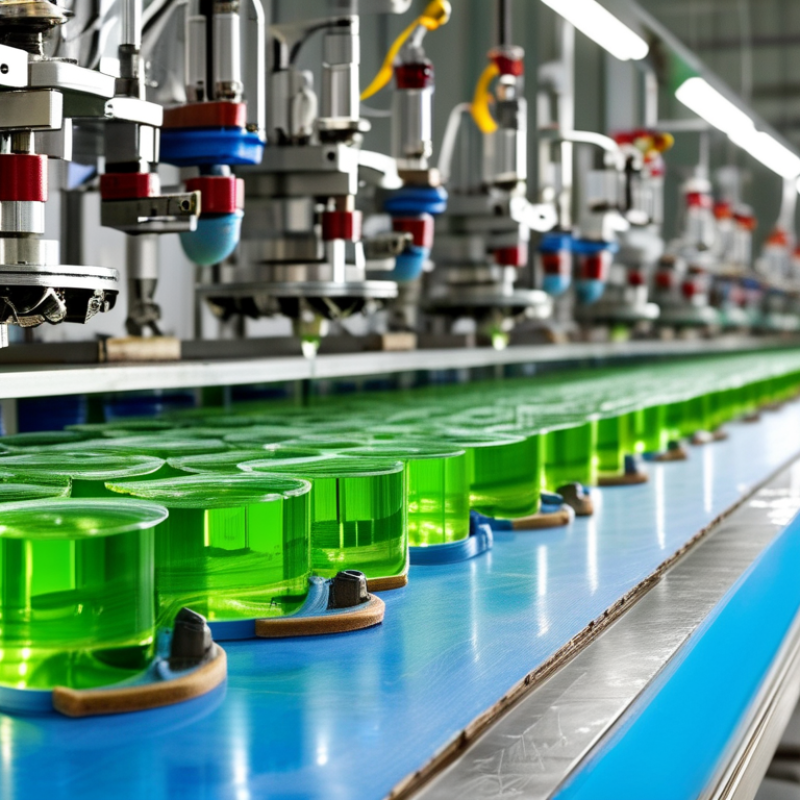
Hydrogel coating machines are versatile tools widely used in various industries. They apply thin layers of hydrogel, enhancing surfaces with various properties. These coatings can provide moisture retention, improved adhesion, and enhanced durability. Understanding how these machines function is essential for effective application.
In practical terms, using a hydrogel coating machine involves several steps. First, you need to prepare the surface, ensuring it is clean and free from contaminants. A smooth application relies heavily on this initial stage. Operators often face challenges, such as uneven coating or air bubbles. Adjustments in speed and temperature can help achieve a more uniform finish.
Different applications call for varying pressures and viscosities. Experimentation may be necessary to find the ideal settings. This trial-and-error approach can sometimes be frustrating. Operators must be patient and ready to adapt. Learning from each session helps improve future outcomes. As industries continue to innovate, the importance of mastering hydrogel coating technology remains ever relevant.
Preparing Materials for Effective Hydrogel Coating Processes
Preparing materials for a hydrogel coating process is a critical step that directly influences the quality of the final product. A recent report from the Polymer Science Journal notes that proper material preparation can enhance coating adhesion by up to 30%. This statistic underlines the importance of selecting high-quality substrates. Ensuring that surfaces are clean, dry, and free from contaminants is vital. Even minor residues can result in inconsistent coating thicknesses or failures.
Additionally, the viscosity of the hydrogel solution plays a crucial role. If the viscosity is too high, it may lead to uneven application. According to research by the Coating Technology Association, adjusting the viscosity can improve coverage consistency by 25%. Preparing additives and achieving the proper mixture are also essential. Improper ratios can adversely affect fluidity and drying time. It's worth noting that some commonly used additives may not interact well with all hydrogel formulations. Testing various formulations in small batches can save significant time and materials.
Lastly, environmental conditions, such as temperature and humidity, can hinder the coating process. Data from the Coatings Research Society indicate that high humidity levels can negatively impact adhesion and drying times. Observing these parameters closely helps in achieving optimal results. Regular monitoring and adjusting to these factors can reduce the risk of production errors. Each of these details plays a significant role in ensuring the effectiveness of hydrogel coatings.
Step-by-Step Operation Guide for Hydrogel Coating Machines
Hydrogel coating machines play a crucial role in various industries. Proper operation is vital to ensure quality results. Start with a thorough understanding of the machine's components. Read the manual meticulously before use. This helps you avoid potential mishaps.
When preparing for operation, clean the machine adequately. Any residue can affect the coating quality. It's also essential to calibrate the settings according to the material type. Improper calibration can lead to uneven application. Remember to conduct tests on sample materials to refine your techniques.
During the coating process, monitor the machine closely. Keep an eye out for irregularities in application. Adjust settings as needed to maintain consistency. Sometimes, the hydrogel may behave unexpectedly, requiring quick adaptations. Post-operation, perform a detailed cleaning and inspection. This will prolong the machine's lifespan. Reflect on the process to identify areas of improvement for future operations.
Essential Maintenance Tips for Longevity of Hydrogel Coating Equipment
Maintaining hydrogel coating equipment is crucial for optimal performance. Regular cleaning is essential. After each use, remove residue to prevent buildup. This simple practice protects vital components and ensures smooth operation. Inspect hoses and connections frequently for wear. Any signs of damage can lead to leaks. Replace parts as needed to maintain performance.
Calibration is another key aspect of maintenance. Schedule routine checks to ensure accuracy in the coating process. Small discrepancies can lead to significant issues over time. Keep a log of maintenance activities to track repairs and adjustments. This documentation serves as a reliable reference for future maintenance.
Don't overlook the importance of training staff. Proper training ensures operators understand the machine's functions. Misuse can lead to unnecessary wear and potential breakdowns. Encourage feedback from operators about challenges they encounter. This feedback can lead to improvements in maintenance practices. Regular evaluation of both equipment and processes will extend the life of hydrogel coating machines.
Hydrogel Coating Equipment Maintenance Tips
Troubleshooting Common Issues with Hydrogel Coating Machines
Hydrogel coating machines are essential tools in modern manufacturing. However, users often encounter common issues that can affect performance. Understanding these problems can save time and costs. One frequent issue is inconsistent coating thickness. This often arises from improper machine calibration. Regularly check and adjust settings before production runs. This simple step can significantly improve the final product's quality.
Another challenge is bubble formation in the coating. This can result from improper mixing of hydrogel components. To mitigate this, mix at a slow speed and allow the mixture to settle before application. Observe the environment as well; high humidity may exacerbate bubbling. Lastly, if you notice the hydrogel not adhering properly, rethink your base material's cleanliness. Any residue can prevent a strong bond. Regular maintenance and cleaning routine can help ensure that these machines function effectively.
10 Essential Tips for Using a Hydrogel Coating Machine - Troubleshooting Common Issues with Hydrogel Coating Machines
| Tip Number |
Tip Description |
Common Issues |
Troubleshooting Steps |
| 1 |
Ensure proper machine calibration |
Inconsistent coating thickness |
Check calibration settings and adjust accordingly. |
| 2 |
Use high-quality hydrogel materials |
Poor adhesion of coating |
Verify quality and specifications of hydrogel materials. |
| 3 |
Regular machine maintenance |
Machine jams |
Perform scheduled maintenance and cleaning. |
| 4 |
Train operators adequately |
Operator errors |
Provide comprehensive training and resources. |
| 5 |
Monitor environmental conditions |
Variability in coating results |
Control humidity and temperature conditions. |
| 6 |
Calibrate nozzles regularly |
Uneven coat applications |
Check and adjust nozzle settings as needed. |
| 7 |
Select the right application speed |
Drips or runs in coating |
Evaluate and adjust application speed for suitable results. |
| 8 |
Implement quality control measures |
Inconsistent product quality |
Establish and follow quality control protocols. |
| 9 |
Use appropriate safety gear |
Safety hazards |
Ensure all operators wear necessary protective equipment. |
| 10 |
Document and report issues |
Recurring problems |
Keep logs of issues and resolutions for continuous improvement. |