What is a Fiberglass Fabric Coating Machine and How Does It Work?
In the world of advanced manufacturing, a Fiberglass Fabric Coating Machine stands as a crucial tool. This innovative equipment enhances the durability and performance of fiberglass materials. Dr. Emily Carter, a leading expert in composite materials, emphasizes its impact: "A Fiberglass Fabric Coating Machine revolutionizes how we produce high-quality components."
These machines apply unique coatings that improve the properties of fiberglass. They help in achieving desired functionalities, such as moisture resistance and increased strength. As industries evolve, the demand for reliable coating solutions grows.
However, the machinery itself is not without challenges. Operators must ensure proper calibration and maintenance. Uneven applications can lead to defects in the final product. Understanding the intricacies of the Fiberglass Fabric Coating Machine is essential for achieving optimal results. This blend of expertise and innovation is what drives the industry forward.
Overview of Fiberglass Fabric Coating Machines
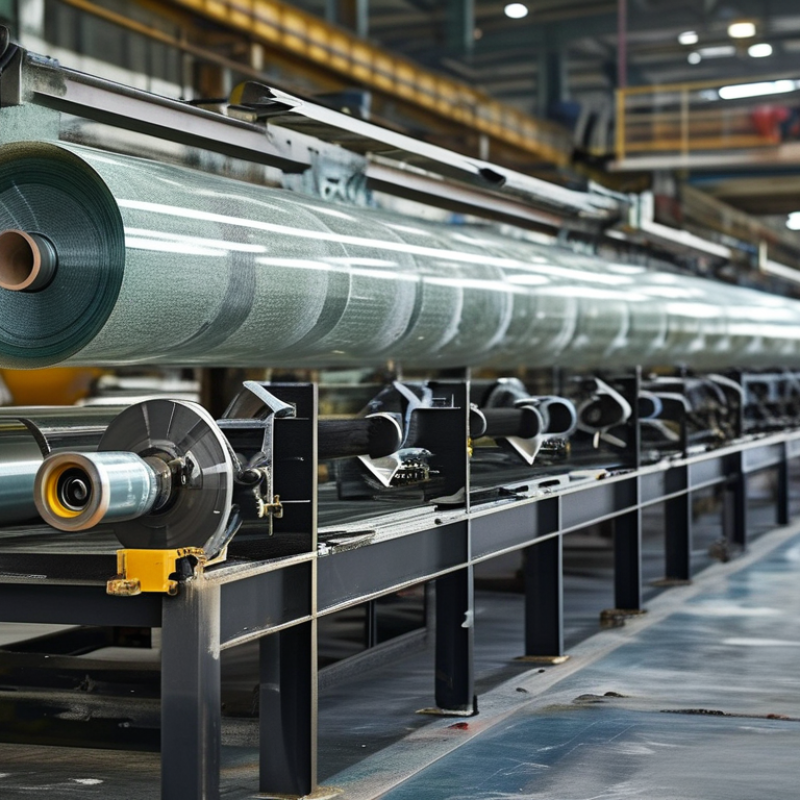
Fiberglass fabric coating machines play a critical role in various industries, particularly in manufacturing composite materials. These machines apply a resin coating to fiberglass fabrics, enhancing their performance and durability. According to industry research, the global composite materials market is expected to reach $40 billion by 2025. This growth is partially driven by the increasing demand for lightweight and strong materials across sectors such as automotive, aerospace, and construction.
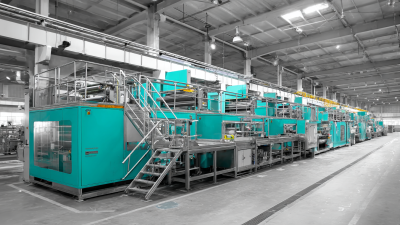
The operation of these machines involves several key components. A typical machine includes a feeding system, a coating unit, and a curing section. As the fabric moves through the machine, a resin is evenly distributed across its surface. The curing process solidifies the resin, ensuring the fabric's integrity. However, achieving uniform coating remains challenging. Variations in viscosity or temperature can affect the quality of the final product. Manufacturers must continuously refine their techniques to address these potential imperfections.
Furthermore, the environmental impact of resin usage cannot be overlooked. Many coatings emit volatile organic compounds (VOCs) that pose health risks and contribute to pollution. The industry faces mounting pressure to adopt more sustainable practices. A recent report noted that over 60% of consumers prefer eco-friendly products. As a result, improving the coating process while minimizing environmental harm is crucial. It’s a reflection of the industry's evolving landscape, demanding both innovation and responsibility.
Key Components of a Fiberglass Fabric Coating Machine
A fiberglass fabric coating machine is essential in many production processes. It enables efficient application of resin to fiberglass fabric. The machine consists of several key components that enhance functionality and productivity.
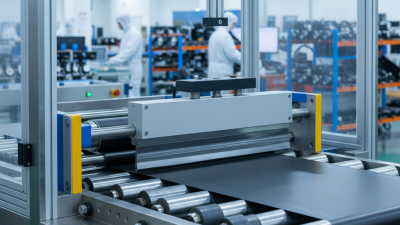
The feeding system is crucial. It ensures a steady flow of the fiberglass material. Precision rollers and guides help maintain tension and alignment. This system prevents wrinkles and defects during coating. The coating mechanism usually features a pump and distributor. The pump delivers resin at a controlled rate. The distributor evenly spreads the resin across the fabric, ensuring consistent coverage.
Drying and curing sections are also vital. These areas use heat to solidify the resin. Proper curing promotes durability and performance in the final product. Users should monitor temperatures closely. Overheating can weaken the material. Conversely, insufficient curing can compromise the strength of the fabric. Furthermore, industry research indicates that machines with advanced sensors can significantly improve coating consistency. It's important to remain mindful of maintenance needs to preserve the machine's effectiveness. Regular checks can avert costly downtimes and enhance reliability.
Step-by-Step Process of Fiberglass Coating
Fiberglass coating is an intricate process that requires precision and expertise. The machine operates through a series of steps, each vital for achieving a uniform coating. Initially, fiberglass fabric is loaded into the machine, securely positioning it for the coating process. This step demands careful handling to prevent any misalignment that could affect the final product.
Once the fabric is in place, the coating material is prepared. It typically consists of a resin mixed with hardeners to ensure strong adhesion. As the machine starts, the coating is evenly applied over the fiberglass. This requires the machine's settings to be adjusted according to the fabric's thickness. Improper settings can lead to areas that are either over-coated or under-coated, resulting in weak spots.
After coating, the fabric needs to undergo curing. This step solidifies the resin, and timing is crucial. If the curing process is rushed, it can cause bubbling or incomplete curing. Attention to detail is essential throughout this process. Each step builds on the last, and missing one can compromise the integrity of the fiberglass product. Regular maintenance and calibration of the machine are essential to ensure consistent quality.
What is a Fiberglass Fabric Coating Machine and How Does It Work? - Step-by-Step Process of Fiberglass Coating
| Step |
Process Description |
Materials Used |
Equipment Required |
Safety Precautions |
| 1 |
Prepare the work area by ensuring it is clean and well-ventilated. |
None |
Cleaning supplies |
Use appropriate personal protective equipment (PPE). |
| 2 |
Measure and cut the fiberglass fabric to the desired size. |
Fiberglass fabric |
Scissors, ruler |
Ensure proper ventilation and wear gloves. |
| 3 |
Prepare the resin mixture according to manufacturer's specifications. |
Resin and hardener |
Mixing container, stir stick |
Avoid skin contact and work in a well-ventilated area. |
| 4 |
Apply the resin mixture to the fiberglass fabric using a brush or roller. |
Resin |
Brush or roller |
Wear gloves and a respirator mask. |
| 5 |
Let the coated fiberglass cure for the recommended time. |
Cured resin |
None |
Ensure the area remains ventilated during curing. |
| 6 |
Inspect the coated fiberglass for defects and finish as necessary. |
None |
Inspection tools |
Use protective gear during inspection. |
Applications and Benefits of Coated Fiberglass Fabrics
Coated fiberglass fabrics have diverse applications across multiple industries due to their unique properties. These fabrics, typically coated with polymer substances, provide enhanced durability and resistance to environmental factors. According to a report by MarketsandMarkets, the global market for coated fabrics will reach USD 28.4 billion by 2024, reflecting a growing demand in sectors like construction, automotive, and aerospace.
One significant benefit of coated fiberglass is its flame resistance. This quality makes it essential for safety applications, particularly in construction and the automotive industry. Coated fiberglass panels can withstand high temperatures and protect structures from fire hazards. The fabric also exhibits excellent tensile strength, making it suitable for use in reinforcing materials. A study indicated that the tensile strength of fiberglass fabrics often exceeds that of traditional materials.
However, some challenges remain. The coating process can produce waste materials, impacting sustainability. Moreover, achieving the right balance in coating thickness is critical; too much can hinder flexibility, while too little may compromise durability. Continuous improvement in manufacturing techniques is vital to address these challenges and optimize the performance of coated fiberglass fabrics.
Maintenance and Troubleshooting for Coating Machines
Maintenance of fiberglass fabric coating machines is crucial for optimal performance. Regular cleaning of components helps prevent resin build-up. A dirty machine can lead to uneven coating. Operators should inspect the rollers and spray nozzles. Clogged parts can disrupt the flow, creating defects.
Troubleshooting is another vital aspect. Start by checking the power supply. Fluctuations might indicate electrical issues. If the machine fails to coat properly, examine the viscosity of the resin. Sometimes, diluting the material can improve application. Inspect the pressure settings as well; improper levels can lead to inconsistent results.
Operators must reflect on their practices. Missteps in maintenance often arise from haste. Skipping routine checks can result in costly repairs. Keeping a detailed log of maintenance actions can aid in identifying reoccurring problems. A thoughtful approach enhances reliability and extends the machine’s lifespan.
Fiberglass Fabric Coating Machine Performance Overview