Top 5 Leather Coating Machine Tips for Global Buyers
In the realm of leather processing, the efficiency and quality of production largely depend on the technology employed. James Carter, a renowned expert in leather manufacturing, once noted, “The right Leather Coating Machine can make or break your output.” For global buyers, understanding the nuances of these machines can significantly influence their investment success.
Selecting a leather coating machine is about more than just functionality. Buyers must consider factors such as efficiency, durability, and compatibility with their production scale. Experts advocate for thorough research into machine specifications. Many overlook the critical differences between models, which can lead to costly mistakes.
Practical experience informs a buyer's decision. Understanding maintenance requirements and operational training is essential. A poorly maintained machine can underperform, affecting product quality. In this demanding industry, even small miscalculations can lead to substantial setbacks. Thus, keeping these insights in mind is crucial for making informed choices in your leather coating endeavors.
Understanding the Different Types of Leather Coating Machines Available
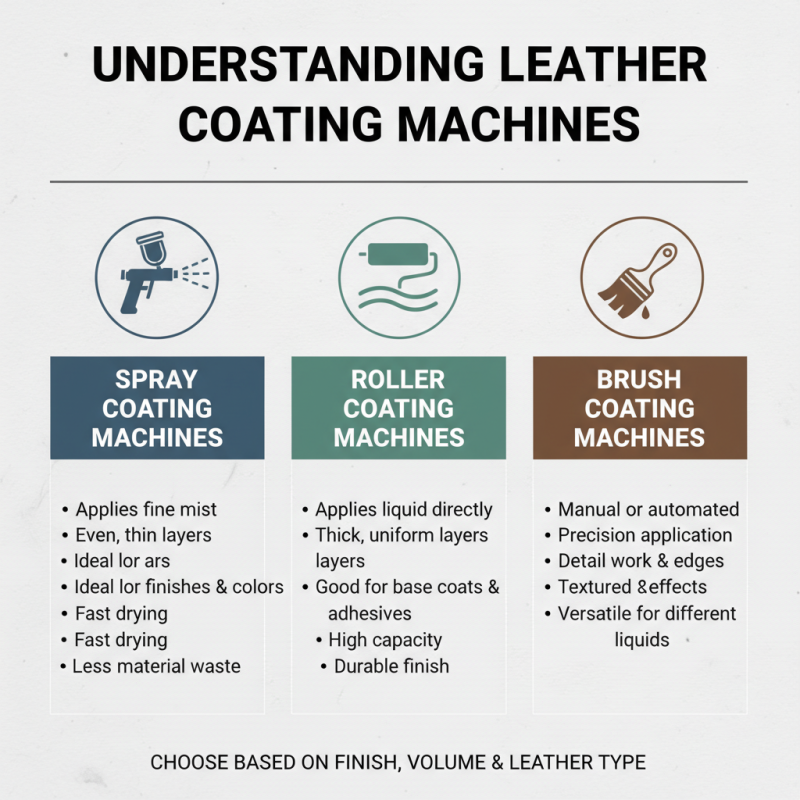
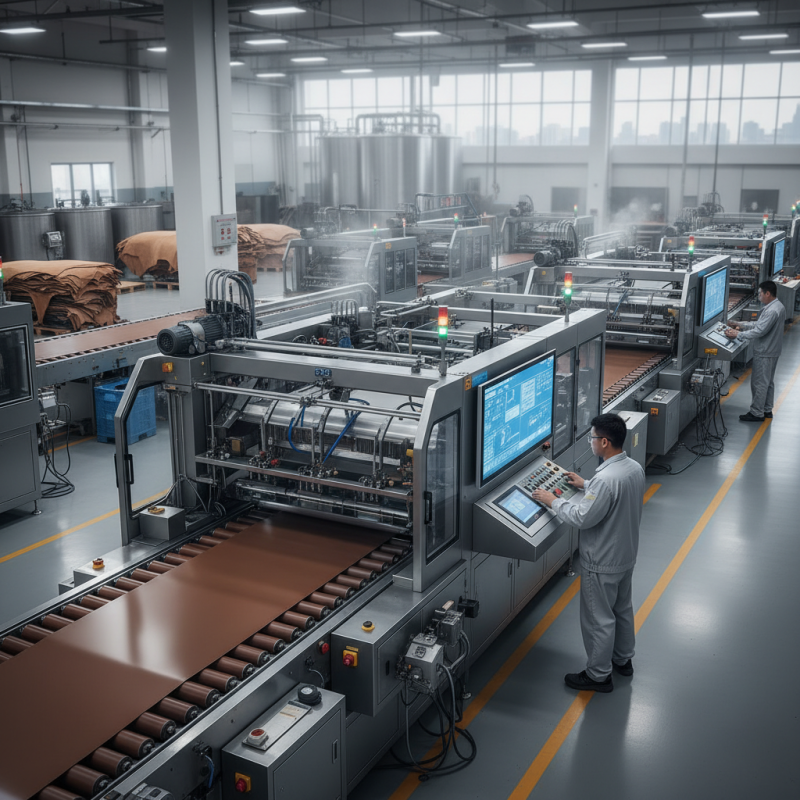
Leather coating machines are crucial for the production of high-quality leather goods. Various types are available, each tailored to specific manufacturing needs. For instance, some machines focus on spray coatings, while others apply liquid coatings through processes like roller or brush application. Each method offers unique benefits and drawbacks.
According to industry reports, the global leather coating machine market is projected to grow at a CAGR of over 6% by 2025. This growth is fueled by rising demand for premium leather products. However, buyers must choose wisely. Not all machines can handle different leather types effectively. Some may struggle with delicate materials or produce inconsistent finishes.
Additionally, operators often need extensive training to achieve optimal results. Investing time in understanding machine specifications and capabilities is vital. Reports indicate that machine downtime can lead to significant production losses, emphasizing the need for reliable equipment. Poor choices in machine selection can result in increased waste and reduced efficiency. Awareness of these issues can help buyers make better decisions.
Key Features to Look for When Selecting a Leather Coating Machine
When selecting a leather coating machine, buyers should focus on key features that enhance efficiency and quality. The machine's coating speed is crucial. Many advanced models operate at speeds between 10 to 15 meters per minute. However, a balance must be struck. High speeds sometimes lead to uneven application, affecting the final product quality. Fine-tuning this aspect is essential for achieving the best results.
Another important feature is the type of coating technology utilized. Some machines employ UV curing technology, which has shown to reduce drying time significantly. Reports indicate a 30% decrease in production time when using UV technology compared to traditional methods. Despite this, the initial investment for such machines can be high, leading buyers to rethink budget allocations.
Additionally, user-friendly controls can greatly enhance the operational experience. Intuitive interfaces minimize learning curves, allowing for quicker adaptation. However, not all machines offer robust training resources, which can be a hurdle for operators. It’s vital for buyers to consider the availability of support materials and training programs when making their decision.
Evaluating Production Capacity: Average Output Rates of Coating Machines
When evaluating leather coating machines, production capacity is crucial for global buyers. The average output rates of these machines vary significantly. Some machines can produce 100 square meters per hour, while others may reach up to 500 square meters. Understanding these rates helps buyers make informed decisions based on their production needs.
Output rates depend on various factors, including machine design, coating type, and operational efficiency. Buyers should consider these aspects when assessing options. A machine that seems efficient might not be in the long run if its maintenance is high. It’s essential to think about the overall lifecycle cost and not just the initial investment.
Many buyers overlook the importance of testing equipment before making purchases. Running trials with different materials can expose potential shortcomings. This hands-on approach can reveal performance inconsistencies that aren't apparent in specifications alone. Evaluating production capacity demands careful analysis of both quantitative metrics and qualitative factors.
Cost Analysis: Budgeting for Leather Coating Machines and Operations
Investing in leather coating machines is a significant decision. Understanding the costs involved is crucial for effective budgeting. Operations can vary widely in expenses, influenced by machine specifications and production volume. Buyers should consider not just the purchase price but also maintenance, energy, and labor costs.
When evaluating potential expenses, remember that high-tech machines often come with higher operational costs. The initial investment can lead to long-term savings if efficiency is prioritized. Begin by setting a clear budget that outlines all potential costs and stick to it.
Tip: Look for machines that offer good energy efficiency. It can minimize ongoing operational costs.
Another tip: Don’t overlook the cost of training. Proper training is essential for maximizing your investment. An untrained staff can lead to mistakes, impacting productivity and profits.
Lastly, ensure you allocate funds for unexpected repairs and replacements. Machines break down. An emergency fund can help avoid significant disruptions in production. The goal is to create a sustainable budgeting plan that accommodates both planned and unplanned expenses.
Maintenance Tips for Longevity: Extending the Lifecycle of Your Equipment
When investing in leather coating machinery, proper maintenance is crucial. Regularly inspect the machine for wear and tear. Check seals, hoses, and pumps for any signs of deterioration. This attention to detail can prevent costly malfunctions. Clean it after each use to remove residue and avoid build-up. A clean machine operates more efficiently.
Lubrication is another essential aspect. Grease moving parts periodically. This reduces friction and extends the life of the equipment. Keep an eye on the fluid levels in the system. Low levels can lead to serious issues. Monitoring these aspects can greatly enhance machine longevity.
Training your staff is vital. Ensure all operators know the correct procedures for running and maintaining the machine. Mistakes can happen, and sometimes they lead to bigger problems. Encourage a culture of vigilance and reporting issues immediately. Constant improvement and awareness can lead to a more productive operation.
Top 5 Leather Coating Machine Tips for Global Buyers - Maintenance Tips for Longevity: Extending the Lifecycle of Your Equipment
| Tip |
Description |
Frequency |
Expected Outcome |
| Regular Cleaning |
Clean the machine to remove any residual coatings and dust. |
Daily |
Increased efficiency and reduced wear. |
| Lubrication |
Lubricate moving parts to ensure smooth operation. |
Weekly |
Prolonged machinery life and decreased operational noise. |
| Inspection of Components |
Check parts for wear and tear, replace if necessary. |
Monthly |
Prevent unexpected breakdowns and ensure reliability. |
| Calibration |
Regularly calibrate the machine for accurate performance. |
Quarterly |
Consistency in coating quality and thickness. |
| Software Updates |
Keep software updated for optimal machine operation. |
As needed |
Enhanced functionality and new features. |