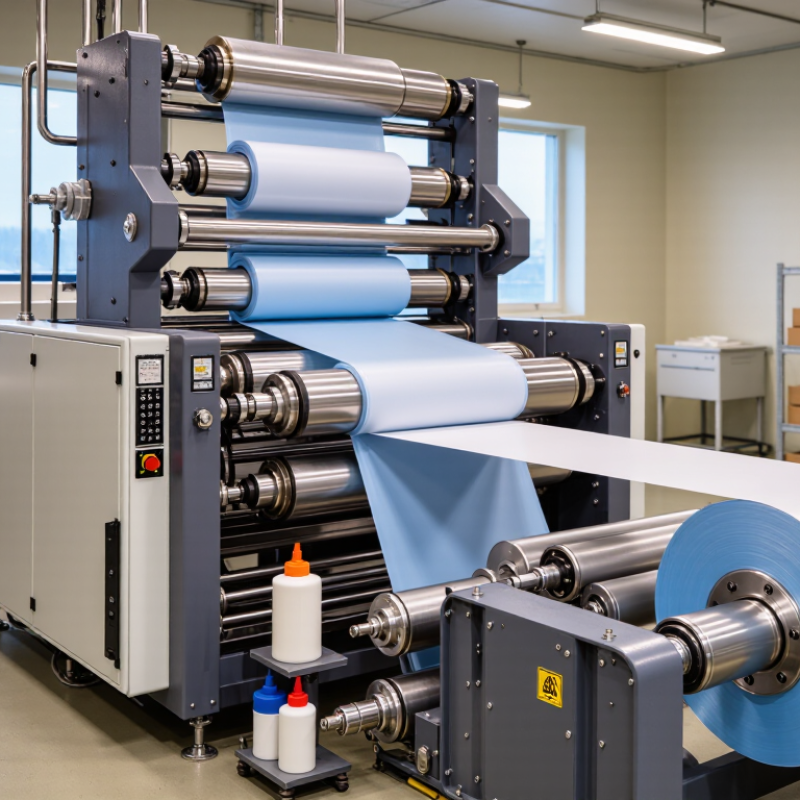
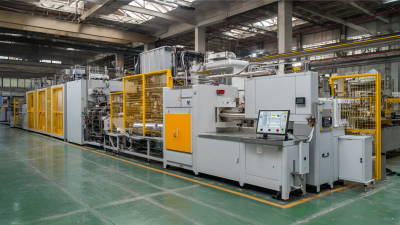
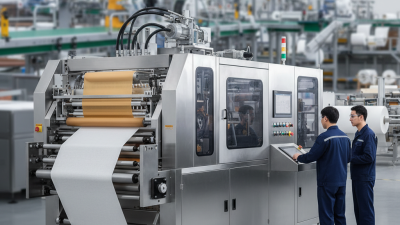
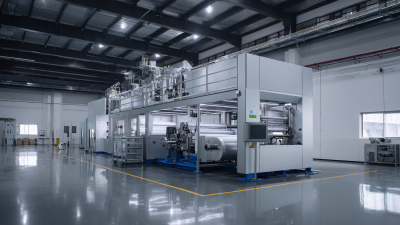
China has become a major manufacturing base for converting and packaging equipment. Among these solutions, the Hot Melt Coating Machine supports label stock, medical films, tapes, nonwovens, and protective materials. Its appeal is practical: solvent-free operation, fast bonding, and controlled adhesive application.
Industry research supports this demand. Smithers’ adhesives and tapes market studies identify packaging, hygiene products, and industrial laminates as continuing growth areas through the decade. Grand View Research also reports expanding demand for pressure-sensitive adhesives, especially in labels, tapes, healthcare, and flexible packaging. These trends do not automatically make every Chinese supplier reliable. They create a stronger reason to examine suppliers carefully.
The best comparison should move beyond catalog photos and impressive speed claims. Buyers need to check coating width, line speed, adhesive temperature stability, coating weight accuracy, and substrate compatibility. A useful factory review includes equipment testing, sample production, electrical documentation, and after-sales response. Ask to see a running line, not only a polished showroom.
Details matter.
A supplier may quote 100 meters per minute, yet overlook start-up waste or uneven edges. Another may offer lower pricing, but provide limited spare parts support overseas. These differences affect total ownership cost. This guide evaluates leading China Hot Melt Coating Machine suppliers through engineering capability, production experience, customization, certification, delivery performance, and customer support. The ranking is not absolute. Supplier strengths change by application, budget, and required output. Even experienced buyers should verify current factory conditions before signing a contract.
A hot melt coating machine applies thermoplastic adhesive without using water or solvent. The adhesive enters a heated tank and becomes fluid. A pump then delivers it through a controlled coating head.
The machine spreads a thin adhesive layer across paper, film, foil, foam, or fabric. Rollers guide the substrate at a steady speed. Temperature sensors protect viscosity consistency. Small changes matter. A difference of a few degrees can create stripes, bubbles, or weak bonding.
Operators usually adjust coating weight, line speed, pressure, and web tension together. For example, faster movement may require higher pump output. Excessive heat can discolor sensitive films or damage the adhesive. Cooling rollers then help stabilize the coated surface before rewinding.
From practical production experience, clean surfaces improve results more than many beginners expect. Dust near the coating head can form repeating defects. Regular filter checks and nozzle cleaning are essential. However, maintenance schedules should match the adhesive and production load. A fixed schedule is not always enough.
Quality control often includes coating-weight measurement, peel testing, visual inspection, and temperature records. These checks support reliable production and traceable adjustments. Still, laboratory settings can mislead operators. Factory humidity, substrate tension, and storage time may change the final bond.
Choosing equipment from China requires careful technical review. Confirm heating zones, coating-width range, control accuracy, spare-part access, and operator training. A lower purchase price may hide higher setup effort. That assumption can fail. Reliable performance depends on both machine design and disciplined operation.
A hot melt coating machine heats solid adhesive, meters it through a slot die or roller, and applies a uniform layer to a moving substrate.
The chart shows commonly used engineering temperature ranges for major hot melt adhesive chemistries. Actual settings depend on adhesive formulation, coating speed, substrate, coating weight, and machine design. Excessive temperature or residence time can cause adhesive degradation.
Which Industries Use Hot Melt Coating Machines in China?
Hot melt coating machines serve China’s packaging, hygiene, medical, automotive, and electronics industries. They apply adhesive without water or solvent, creating clean, continuous layers on film, paper, foil, and nonwoven materials. MarketsandMarkets estimates the global hot melt adhesives market will grow from about USD 10.3 billion in 2023 to USD 13.7 billion by 2028. China remains a major manufacturing base within this expansion.
Flexible packaging uses these machines for laminating films and sealing structures. Hygiene factories coat elastic materials, acquisition layers, and backsheet components. Medical manufacturers use controlled coating for tapes, dressings, and protective covers. Automotive plants apply hot melt layers to interior fabrics, insulation, wire protection, and acoustic materials. Electronics and battery-related production also require narrow coating widths and stable temperatures. However, battery applications demand stricter process validation. General coating experience is not enough.
Tips: Match the machine with adhesive viscosity, coating width, web speed, and substrate sensitivity. Check edge accuracy at production speed, not only during demonstrations. Record temperature variation across the die. Small deviations can cause wrinkles, weak bonding, or unnecessary adhesive waste. A 2024 Smithers report on flexible packaging highlights continued demand for lightweight, high-performance structures. That trend supports hot melt coating, but recycling requirements may challenge multilayer designs. This remains an area where manufacturers need better practical solutions.
| Industry | Common Substrates | Typical Coating Requirements | Common Hot Melt Adhesives | Why Hot Melt Coating Is Used | |
|---|---|---|---|---|---|
| Hygiene Products | Nonwoven fabric, tissue, polyethylene film, elastic film | Baby diapers, adult incontinence products, sanitary products, medical underpads | High-speed intermittent or continuous coating; narrow adhesive stripes or controlled spray patterns; approximately 80–2,000 mm working widths | SIS, SBS, APAO and specialty elastic hot melt adhesives | Fast bonding, low water content, good flexibility and reliable adhesion to films and nonwovens |
| Packaging and Labeling | Paper, coated paper, kraft paper, cardboard, plastic film and aluminum foil | Pressure-sensitive labels, carton sealing materials, flexible packaging laminates and protective tapes | Full-width or patterned coating; coating weights commonly selected according to adhesive and application; approximately 300–1,600 mm working widths | EVA, SIS, SBS, APAO and pressure-sensitive hot melt formulations | Solvent-free processing, rapid setting and suitability for high-throughput converting lines |
| Tape and Adhesive Products | BOPP film, PET film, PVC film, paper and nonwoven backings | Double-sided tape, masking tape, protective film, medical tape and industrial adhesive tape | Uniform low-to-medium coating weight; precise edge control; approximately 300–2,000 mm working widths | Acrylic hot melt, SIS, SBS and rubber-based pressure-sensitive adhesives | Consistent coat weight, strong tack, clean processing and compatibility with multilayer tape structures |
| Textiles and Nonwovens | Woven fabric, knitted fabric, nonwoven, felt and technical textile | Interlinings, textile laminates, garment bonding materials, carpet backing and protective fabrics | Continuous or dot-pattern coating; controlled penetration is important; approximately 800–2,400 mm working widths | Polyamide, polyester, TPU, EVA and reactive hot melt adhesives | Low moisture addition, flexible bonding and the ability to laminate temperature-sensitive textile layers |
| Footwear and Leather Goods | Leather, synthetic leather, mesh, textile, foam and rubber sheets | Shoe uppers, insoles, reinforcements, handbags, luggage and belts | Roll coating, slot-die coating or patterned application; commonly configured for small and medium production widths | TPU, EVA, polyamide and polyester hot melt adhesives | Short open time, rapid bonding, reduced drying space and improved automation potential |
| Automotive Components | Nonwoven, carpet, felt, foam, fabric, plastic film and metal foil | Interior trim, headliners, door panels, acoustic insulation, seat components and wire-harness protection | Wide-web lamination, precise bead or spray coating, temperature control and repeatable coat weight; often 1,000–2,500 mm working widths | PAO, APAO, PUR reactive hot melt, EVA and specialty automotive formulations | High productivity, good vibration resistance, low emissions compared with solvent-based systems and strong process repeatability |
| Furniture and Wood Products | Wood veneer, MDF, particleboard, PVC film, ABS edge band and decorative paper | Panel lamination, profile wrapping, edge banding, furniture surfaces and decorative components | Roller, slot-die or nozzle application; coating width and temperature depend on panel size and adhesive type | EVA, PUR reactive hot melt, polyamide and polyolefin adhesives | Quick handling after bonding, strong adhesion to wood-based panels and suitability for continuous panel processing |
| Electronics and Electrical Products | PET, polyimide film, copper foil, aluminum foil, nonwoven and engineering plastics | Insulation films, cable wrapping, battery-related components, protective films and electronic assembly materials | Thin, accurate and clean coating; precise temperature and tension control; production widths vary from laboratory scale to wide-web systems | Polyamide, polyester, TPU, PO and specialty reactive hot melt adhesives | Electrical insulation options, fast processing, low solvent exposure and compatibility with thin flexible substrates |
| Medical and Healthcare Products | Nonwoven, PE film, breathable film, spunbond fabric and medical-grade textile | Wound dressings, surgical tapes, medical drapes, disposable protective garments and fixation products | Clean, uniform and low-add-on coating; requires controlled temperature, web tension and hygienic production conditions | Medical-grade acrylic hot melt, silicone-compatible systems and specialty rubber-based adhesives | Solvent-free application, flexible adhesive films and controlled coating patterns for skin-contact products |
| Construction and Waterproofing | Nonwoven, polyester fabric, fiberglass, polyethylene film, bitumen membrane and foil | Roofing membranes, waterproof tapes, insulation laminates, vapor barriers and building sealing materials | Medium-to-wide web coating, high adhesive output and strong bonding to mineral, polymeric or textile layers | APAO, SBS, SIS, EVA and rubber-modified hot melt adhesives | High initial tack, rapid lamination, resistance to moisture and efficient solvent-free manufacturing |
| Solar and Energy Materials | Polyester film, EVA or POE encapsulant, glass, copper foil and insulating films | Solar module auxiliary materials, energy-storage insulation, protective films and functional laminates | Precise coating and lamination, low contamination risk, stable temperature control and high web uniformity | PO, EVA, TPU and specialty reactive hot melt formulations | Clean processing, controlled application, strong interlayer bonding and suitability for functional multilayer structures |
| Bookbinding and Printing | Paper, cardboard, coated paper, fabric and synthetic bookbinding materials | Softcover books, hardcover books, notebooks, photo albums, cartons and printed display products | Intermittent or continuous adhesive application; coating pattern and viscosity are selected for spine, side or surface bonding | EVA, PUR reactive hot melt and polyamide adhesives | Rapid setting, clean edges, high line speed and strong adhesion to paper-based substrates |
Note: The specifications shown are representative industry ranges rather than fixed machine limits. Actual coating width, line speed, adhesive temperature, coat weight and production output depend on the substrate, adhesive formulation, coating method and final product design.
Comparing China’s leading hot melt coating machine suppliers requires more than checking online prices. Start with your product and process requirements. Record coating width, working speed, adhesive viscosity, substrate type, and target coating weight. A machine handling narrow film may not perform well on wide rolls. Ask suppliers for test results using your actual adhesive and substrate. Watch the coating edge, surface uniformity, temperature stability, and web tension during the trial.
Technical details reveal supplier experience. Check heating-zone control, slot-die accuracy, unwinding design, automatic thickness adjustment, and cleaning access. Request drawings, electrical specifications, spare-parts lists, and installation requirements.
Reliable suppliers explain limitations clearly. Be cautious when a sales representative promises every feature without discussing material conditions. I have seen attractive quotations become expensive after missing sensors, transport fixtures, or commissioning support. That mistake is easy to repeat.
Tips: Compare the total ownership cost, not only the machine price. Ask for customer references, production videos, warranty terms, response times, and operator training. Verify whether the supplier can support remote troubleshooting and provide replacement parts quickly. A factory visit can help, but it should not replace technical testing. Test samples matter more than polished presentations. Also, leave room for improvement in your specification; early assumptions may be wrong.
China’s hot melt coating machine market is competitive, but supplier reliability requires more than a low quotation. Grand View Research valued the global hot melt adhesives market at approximately USD 10 billion in 2023. Its forecast indicates continued growth through 2030, increasing pressure for stable, efficient production lines. That pressure exposes weak suppliers quickly.
A dependable supplier provides precise temperature control, automatic viscosity monitoring, and consistent coating-weight adjustment. Operators should inspect test samples, not only product brochures. A useful machine should maintain even coating across changing web speeds and different substrate widths. MarketsandMarkets’ 2024 report projects the hot melt adhesives market will reach about USD 12.2 billion by 2028. This growth makes energy efficiency and reduced adhesive waste practical purchasing criteria.
Supplier expertise also appears in documentation. Look for factory acceptance tests, calibration records, spare-parts planning, and responsive technical training. Ask whether engineers can diagnose nozzle blockage, uneven coating, or overheating remotely. ISO 9001 certification is helpful, but it cannot replace production evidence. I would request a long-duration trial with real materials. Short demonstrations can hide heat drift. No supplier is flawless. However, transparent limitations, measurable warranties, and service response times often reveal a more reliable partner than polished claims.
Choosing a Chinese hot melt coating machine supplier requires more than comparing prices. According to Grand View Research, the global hot melt adhesives market was valued at about USD 11.2 billion in 2023, with continued growth expected through 2030. That growth increases equipment demand, but it also creates uneven supplier quality. Start with your production data: coating width, line speed, adhesive viscosity, operating temperature, substrate type, and target coating weight. A capable supplier should convert these details into a written process proposal, not a generic catalogue.
Ask for documented factory experience and recent reference installations. Request test samples using your actual film, foil, paper, or nonwoven material. Check coating uniformity across the web, start-up waste, temperature stability, and cleaning time. The Association for Packaging and Processing Technologies reports that manufacturers increasingly prioritize automation, uptime, and data visibility when investing in packaging equipment. Therefore, evaluate tension control, closed-loop monitoring, alarm records, and remote diagnostic options. Do not accept vague claims. Require drawings, utility requirements, inspection procedures, and a defined factory acceptance test.
Review quality systems, component traceability, operator training, spare-parts availability, and service response times. Certification can support credibility, but it does not replace a production trial. I would also inspect welding, insulation, wiring, and guarding in person when possible. Small details matter. A low quotation may exclude installation or commissioning. That mistake is costly. Suppliers should disclose limitations, especially with difficult adhesives or heat-sensitive substrates. Even experienced buyers sometimes overvalue maximum speed; stable output at your real operating speed matters more.