Leave Your Message
Please agree to this agreement

China Best Sheet and Flat Surface Coating Machine?

Finding China’s best Sheet and Flat Surface Coating Machine requires more than comparing prices or brochure photographs. Buyers should examine coating accuracy, substrate compatibility, line stability, and after-sales support. The machine may process steel sheets, aluminum panels, furniture boards, glass, or decorative laminates. Each material demands different tension control, curing conditions, and roller settings.

Industry data shows why this equipment matters. Grand View Research valued the global paints and coatings market at about USD 206 billion in 2023, with continued growth expected through the decade. MarketsandMarkets also forecasts steady expansion in industrial coatings, supported by construction, automotive, packaging, and manufacturing demand. These figures do not measure coating machines directly. They still indicate a wider need for reliable surface-finishing systems. The data is useful, but incomplete.

A credible Chinese supplier should provide trial-coating records, equipment drawings, electrical specifications, and measurable tolerance data. Ask for coating-weight results, line-speed tests, drying-energy figures, and samples from your actual substrate. A clean factory floor helps, but it proves little alone. Check whether the supplier follows documented quality procedures, such as ISO 9001, and whether components meet applicable safety requirements. Experienced buyers should also evaluate installation training, spare-part availability, remote diagnostics, and response times. Small details matter: a stable web guide, an even 20-micron film, and a curing chamber without visible hot spots can prevent costly rejects. No single ranking is universal. The best choice depends on material, throughput, coating chemistry, budget, and local compliance. A careful comparison may reveal that the cheapest machine is not the most economical one.

China Best Sheet and Flat Surface Coating Machine?

What Is a Sheet and Flat Surface Coating Machine?

What Is a Sheet and Flat Surface Coating Machine?

A sheet and flat surface coating machine applies a controlled layer of liquid or functional material to panels, boards, films, or metal sheets. The coating may protect the surface, improve appearance, or add specific performance. Common processes include roller coating, curtain coating, spray coating, and precision slot-die coating.

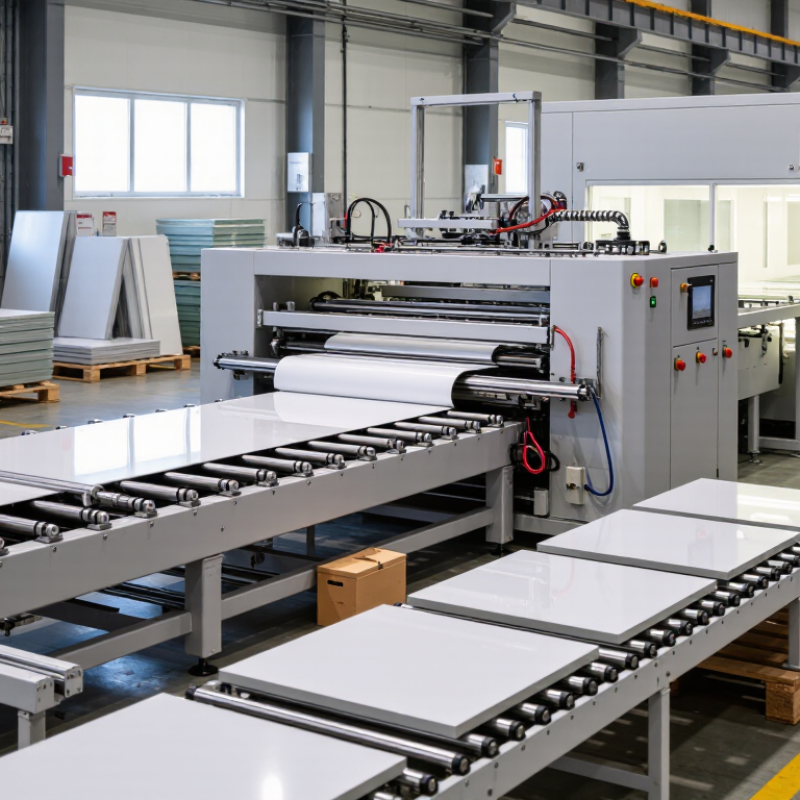
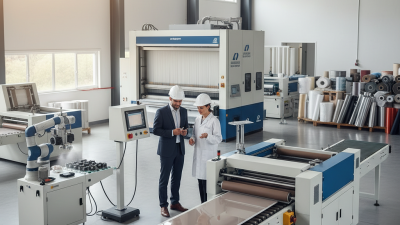
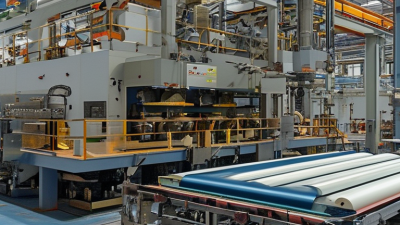
The machine usually includes a feeding table, alignment guides, coating unit, drying section, and discharge conveyor. An operator places a sheet onto the infeed area. Sensors help maintain its position while rollers spread the coating evenly. Heat, airflow, or ultraviolet energy can then dry or cure the layer, depending on the material.

Thickness control matters. A small pressure change may create visible lines, thin edges, or uneven gloss.

In practical production, material viscosity, sheet speed, temperature, and roller pressure require careful adjustment. Clean rollers are essential. Dust can leave tiny craters across a fresh surface.

The machine is not a magic box. Poor preparation still causes poor results.

I have found that trial runs reveal problems that specifications may overlook, especially with flexible sheets or textured panels. Operators should record coating weight, drying time, and surface defects during testing. A reliable machine also needs accessible cleaning points, stable controls, emergency safeguards, and clear maintenance procedures. A lower purchase price may hide higher adjustment and downtime costs.

How Does a Flat Surface Coating Machine Work?

How Does a Flat Surface Coating Machine Work?

A flat surface coating machine applies a controlled layer of paint, oil, adhesive, or protective finish to sheets and panels. The material usually moves across rollers or a smooth conveyor. A pump sends coating into a tray, nozzle, or metering roller. The applicator spreads the liquid across the surface. A doctor blade or precision roller removes excess material. This creates a more even coating thickness. Drying may use heated air, infrared energy, or natural ventilation. The correct method depends on the coating formula and sheet material.

In practical production, operators check viscosity, conveyor speed, roller pressure, and surface cleanliness. Small changes can affect gloss, coverage, and drying time. A dusty panel may create tiny craters. Excess pressure can leave roller marks. I have found that stable temperature matters more than many beginners expect. Still, no setting works perfectly for every product. Testing a small batch remains sensible. Quality staff should measure wet-film thickness and inspect the dried surface under clear lighting.

Tips: Clean rollers before each shift. Keep the coating mixed, but avoid excessive agitation. Adjust speed gradually, not suddenly. Record every setting beside the production sample. If defects appear, check the sheet first, not only the machine. A careful trial often reveals problems earlier.

Which Coating Technologies Are Used for Sheet Materials?

Sheet materials need coating technologies that match their width, speed, surface energy, and heat tolerance. Roll coating remains practical for steel, aluminum, and composite panels because it controls wet-film thickness with metering rolls. Curtain coating creates a continuous liquid veil, reducing contact marks on smooth boards. Spray systems handle shaped sheets and short production runs, but overspray can increase material loss. Powder coating uses electrostatic attraction, followed by oven curing. According to Grand View Research’s 2024 report, the global powder coatings market was valued at about USD 15.5 billion in 2023, with continued growth expected through 2030.

UV and electron-beam curing can shorten processing time for heat-sensitive sheets. These methods harden coatings within seconds, but lamp intensity and line speed require careful control. A small change in viscosity may cause orange peel, pinholes, or uneven edges. Experience matters here. MarketsandMarkets reported in 2024 that the industrial coatings market is projected to grow from roughly USD 86 billion in 2024 to more than USD 110 billion by 2029. This growth reflects demand for durable, efficient surface protection, not one universal machine design. For flat panels, operators should check coating thickness, adhesion, gloss, and curing energy after every setup change. No method is perfect. Even advanced lines may need slower speeds when moisture, dust, or sheet temperature varies.

China Best Sheet and Flat Surface Coating Machine? Which Coating Technologies Are Used for Sheet Materials?

The chart shows representative dry-film thickness ranges commonly used for sheet and flat-surface coating processes. Roll and liquid coil coating are generally selected for thin, uniform layers, while powder coating and hot-dip galvanizing typically produce thicker protective layers. Actual values depend on the substrate, coating formulation, corrosion requirements, and production specifications.

How to Evaluate Chinese Coating Machine Manufacturers?

Evaluating Chinese coating machine manufacturers should begin with process evidence, not catalog claims. Request drawings showing substrate width, coating method, line speed, drying capacity, and material compatibility. Ask the manufacturer to run your actual sheet or panel. See the machine run. Measure coating thickness across the surface, including the edges. Inspect gloss, adhesion, and visible streaks after drying. These tests reveal problems that specifications may hide.

Factory capability also deserves close attention. Visit the production site, or arrange an independent inspection before shipment. Check frame welds, roller finish, electrical wiring, guarding, tension control, and spare-part storage. Ask who designs the control system and who handles commissioning. Reliable suppliers can provide test records, calibration details, operator manuals, and references from similar applications. Paperwork matters. A polished video proves very little.

Compare support as carefully as machine performance. Confirm warranty terms, response times, installation training, remote assistance, and the availability of wearing parts. Review export documentation and applicable safety requirements for the destination country. Avoid choosing only by the lowest quotation; a cheaper roller or dryer may increase waste later. A checklist can still miss practical weaknesses. Leave room for a second inspection, especially after final assembly. Small details often decide whether daily production feels stable or frustrating.

What Industries Use Sheet and Flat Surface Coating Machines?

China Best Sheet and Flat Surface Coating Machine?

Sheet and flat surface coating machines serve many industries with different production demands. Furniture manufacturers coat MDF, plywood, doors, and cabinet panels for color and moisture resistance. Building material producers apply finishes to fiber cement boards, insulation panels, and decorative sheets. Metal processors coat steel or aluminum panels before forming and installation. Clean edges matter.

Electronics and appliance factories use controlled coating systems for metal covers and flat components. Packaging plants may coat paperboard, plastic sheets, or laminated materials with protective or functional layers. In production, operators monitor coating weight, roller pressure, line speed, and curing temperature. A small viscosity change can create streaks. Dust can ruin an otherwise clean surface. I have found that easy cleaning often matters as much as maximum speed. Faster is not always better.

Tips: Match the machine with the sheet size, coating material, and daily output. Ask for sample testing with your real substrate. Check thickness uniformity across the full panel, not only at the center. Review safety controls, maintenance access, spare-part availability, and operator training. A low purchase price may hide higher cleaning and adjustment costs. Coating results can also change with humidity, so production records deserve attention.

China Best Sheet and Flat Surface Coating Machine? - What Industries Use Sheet and Flat Surface Coating Machines?

Industry Typical Sheet or Flat Substrates Common Coating Materials Typical Products and Applications Key Machine Requirements Main Quality Considerations
Furniture and Cabinet Manufacturing
  • Medium-density fiberboard
  • Particleboard
  • Plywood
  • Wood veneer panels
  • Water-based paint
  • UV-curable coating
  • Polyurethane coating
  • Primer and sealer
  • Cabinet doors
  • Furniture panels
  • Decorative wall panels
  • Shelving components
  • Uniform coating across large panels
  • Adjustable coating thickness
  • Low overspray and material recovery
  • Conveyor handling for finished surfaces
  • Color consistency
  • Smooth surface appearance
  • Strong adhesion to wood-based panels
  • Resistance to scratches and household chemicals
Flooring Production
  • Engineered wood boards
  • Laminate flooring panels
  • Vinyl flooring planks
  • Fiber cement boards
  • Wear-resistant topcoat
  • UV coating
  • Water-based lacquer
  • Anti-slip coating
  • Decorative flooring surfaces
  • Protective floor finishes
  • Moisture-resistant flooring layers
  • Commercial flooring products
  • High-speed continuous processing
  • Accurate application on long panels
  • Integrated drying or curing section
  • Easy cleaning when changing coatings
  • Abrasion resistance
  • Uniform gloss or matte level
  • Slip performance
  • Dimensional stability and edge coverage
Metal Sheet Fabrication
  • Cold-rolled steel sheets
  • Galvanized steel sheets
  • Aluminum sheets
  • Stainless steel panels
  • Polyester coating
  • Epoxy primer
  • Polyurethane coating
  • Powder coating
  • Building panels
  • Appliance panels
  • Metal doors
  • Industrial enclosures
  • Surface pretreatment compatibility
  • Precise metering for thin coatings
  • Controlled oven or curing temperature
  • Suitable handling for rigid metal sheets
  • Corrosion protection
  • Coating adhesion
  • Uniform film thickness
  • Impact and weather resistance
Appliance Manufacturing
  • Steel appliance panels
  • Aluminum panels
  • Glass panels
  • Plastic flat components
  • Electrostatic liquid paint
  • Powder coating
  • UV-curable coating
  • Anti-fingerprint coating
  • Refrigerator panels
  • Washing machine panels
  • Oven and cooker surfaces
  • Small-appliance housings
  • Repeatable color and gloss control
  • Clean-room-compatible material handling
  • Efficient curing for high-volume production
  • Automated inspection capability
  • High cosmetic quality
  • Resistance to heat and detergents
  • Low surface contamination
  • Reliable adhesion on different substrates
Automotive and Transportation Components
  • Steel body panels
  • Aluminum panels
  • Composite sheets
  • Interior trim panels
  • Epoxy primer
  • Basecoat and clearcoat
  • Polyurethane coating
  • Anti-corrosion coating
  • Vehicle body components
  • Truck and trailer panels
  • Interior decorative panels
  • Rail and bus components
  • Accurate robotic or reciprocating application
  • Controlled booth ventilation
  • Multi-stage drying and curing
  • Traceable process parameters
  • Uniform appearance over large surfaces
  • Corrosion and stone-chip resistance
  • Weathering durability
  • Strict film-thickness control
Building Materials
  • Fiber cement boards
  • Gypsum boards
  • Calcium silicate boards
  • Insulation panels
  • Acrylic coating
  • Elastomeric coating
  • Water-repellent treatment
  • Fire-retardant coating
  • Exterior cladding
  • Interior wall panels
  • Ceiling boards
  • Decorative architectural panels
  • Large-width conveyor system
  • High-viscosity material handling
  • Dust control before coating
  • Flexible drying time management
  • Weather and moisture resistance
  • Consistent coverage on porous surfaces
  • Color stability
  • Fire-performance compliance where required
Glass Processing
  • Float glass sheets
  • Tempered glass panels
  • Laminated glass
  • Mirror substrates
  • Ceramic frit coating
  • Water-based paint
  • UV-curable coating
  • Reflective or functional coating
  • Architectural glass
  • Shower and partition panels
  • Decorative glass
  • Display and signage panels
  • Non-contact or low-pressure conveying
  • Particle-controlled coating environment
  • Precise edge masking
  • UV, thermal, or air-drying compatibility
  • Optical uniformity
  • Low bubbles and pinholes
  • Strong adhesion after curing
  • Scratch and chemical resistance
Packaging and Printing
  • Paperboard sheets
  • Corrugated board
  • Plastic sheets
  • Metal packaging sheets
  • Overprint varnish
  • Water-based coating
  • Barrier coating
  • Heat-seal coating
  • Folding cartons
  • Food and beverage packaging
  • Labels and printed sheets
  • Protective packaging surfaces
  • High-speed sheet feeding
  • Fast drying between process stages
  • Accurate registration and coating placement
  • Low-material-consumption operation
  • Print protection
  • Gloss and rub resistance
  • Food-contact suitability where applicable
  • Consistent coating weight
Solar and Renewable Energy Equipment
  • Photovoltaic glass
  • Aluminum frames
  • Backsheet materials
  • Composite equipment panels
  • Anti-reflective coating
  • Anti-soiling coating
  • Corrosion-resistant coating
  • Electrical insulation coating
  • Solar module components
  • Mounting system parts
  • Energy-storage equipment panels
  • Outdoor electrical enclosures
  • Very clean substrate handling
  • Precise thin-film application
  • Controlled curing environment
  • Low-defect continuous operation
  • Optical performance
  • Outdoor durability
  • Electrical insulation properties
  • Resistance to humidity and ultraviolet exposure
Electronics and Electrical Equipment
  • Printed circuit board panels
  • Metal control panels
  • Plastic sheets
  • Insulating laminate boards
  • Conformal coating
  • Insulating coating
  • Protective lacquer
  • Electromagnetic shielding coating
  • Control cabinets
  • Electronic housings
  • Switchgear panels
  • Insulation components
  • Accurate low-volume dispensing
  • Masking of connectors and contact areas
  • Clean, controlled working environment
  • UV or thermal curing control
  • Electrical insulation
  • Moisture protection
  • Controlled coating thickness
  • Minimal contamination and voids