Leave Your Message
Please agree to this agreement

China Top 10 Leather Coating Machine Manufacturers?

China’s top 10 leather coating machine manufacturers deserve careful comparison, not a quick ranking. A modern Leather Coating Machine may look impressive in photographs, yet performance depends on coating uniformity, drying control, roller accuracy, and after-sales support. A polished showroom proves little. Factory evidence matters more.

For this guide, leather-finishing consultant Dr. Marco Bianchi offers a useful principle: “A coating line must control consistency before it pursues speed.” That sentence captures the real purchasing challenge. Leading Chinese manufacturers often supply roller coaters, curtain coaters, spray systems, drying ovens, embossing units, and complete finishing lines. The strongest suppliers can demonstrate stable coating weight, clean edge handling, and repeatable results across different leather types. Ask for test samples. Check the machine frame, tension system, heating method, electrical components, and cleaning access. Small details become expensive problems later.

This list should not be treated as absolute. Public information can be incomplete, and supplier claims may change. Some manufacturers excel at custom engineering but lack international service coverage. Others offer competitive prices but provide limited process guidance. Buyers should compare installation records, spare-part availability, operator training, warranty terms, and energy consumption. A factory visit can reveal more than a brochure. Watch the line run for several hours. Measure the finish. Speak with existing users. The best Leather Coating Machine manufacturer is not always the largest company. It is the partner that delivers consistent results, communicates clearly, and accepts responsibility when the first solution needs improvement.

China Top 10 Leather Coating Machine Manufacturers?

What Is a Leather Coating Machine?

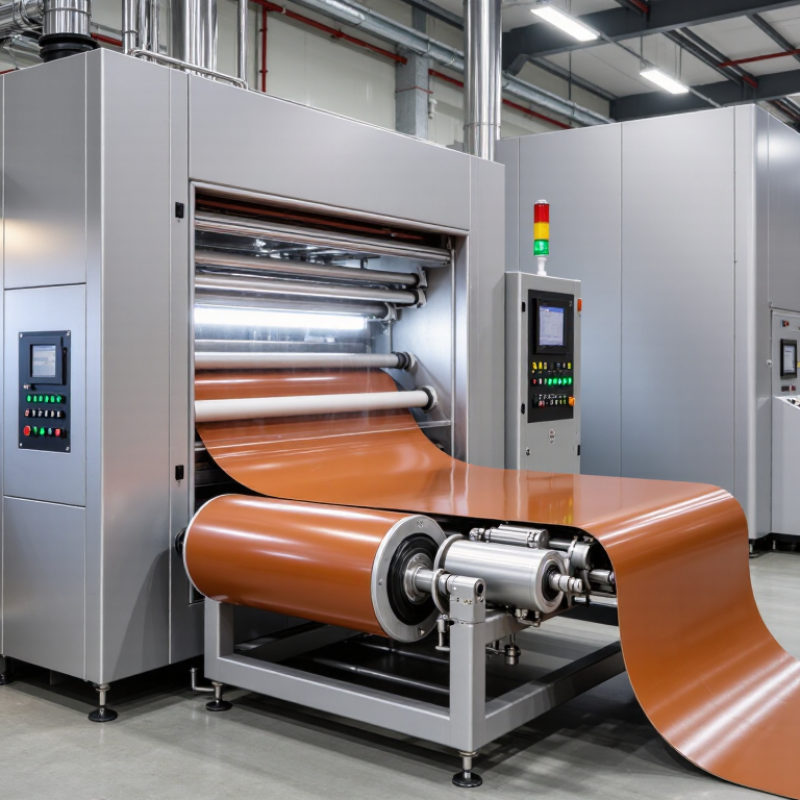
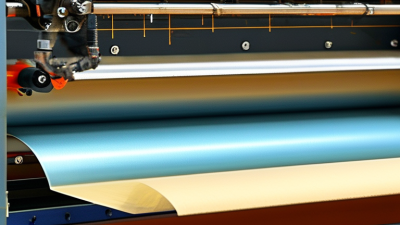
A leather coating machine is industrial equipment that applies an even finish to leather surfaces. The coating may contain pigment, resin, wax, or a protective compound. It improves color, texture, water resistance, and surface durability. Depending on the product, the machine may use rollers, spraying systems, or curtain coating methods.

The main structure usually includes a feeding table, coating head, pressure rollers, drying tunnel, and tension controls. During operation, the leather moves at a controlled speed beneath the coating unit. Operators adjust coating thickness, roller pressure, temperature, and drying time. Small changes matter. A slight pressure error can create streaks, pinholes, or uneven gloss.

In practical production, leather moisture and surface preparation strongly affect results. A clean hide accepts coating more consistently than a dusty or oily one. A common workshop lesson is simple: the machine cannot repair poor preparation. Technicians often test a small panel before full production. They check color uniformity, adhesion, flexibility, and surface feel after drying. That step prevents expensive rework, although it can slow production. Reliable equipment should offer stable speed control, accessible cleaning areas, emergency protection, and repeatable settings. Operators also need training because automation does not remove judgment. Some irregular grain patterns remain difficult to coat perfectly. That limitation deserves attention when comparing leather coating machinery from China’s manufacturing sector.

How to Evaluate Leather Coating Machine Manufacturers

Evaluating Chinese leather coating machine manufacturers requires more than comparing prices. Start with the machine’s working width, coating speed, drying method, and material compatibility. Ask for test data using leather similar to yours. A smooth sample on thin leather proves little.

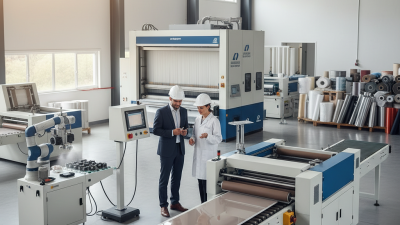
Visit the production site when possible. Check welding quality, electrical organization, roller alignment, and protective guards. Request calibration records and factory acceptance procedures. Reliable manufacturers explain coating thickness control, viscosity adjustment, and temperature stability in clear terms. They should also provide manuals, spare-parts lists, training plans, and documented after-sales response times.

Look beyond the quotation. Calculate energy use, replacement rollers, maintenance labor, installation, and expected downtime. Ask for references from factories with comparable output, not only impressive photographs. Independent certification can support credibility, but it should match the actual machine model. Small details matter. For example, inspect how operators clean the coating head after a production shift.

A practical trial should include startup, speed changes, emergency stops, and continuous operation. Record defects, noise, temperature changes, and coating consistency. No checklist is perfect. I would also challenge my own assumptions, because the cheapest machine may create higher waste later. A dependable partner accepts difficult questions and records agreed specifications before payment.

China Top 10 Leather Coating Machine Manufacturers? - How to Evaluate Leather Coating Machine Manufacturers

Evaluation Profile Typical Machine Type Common Coating Materials Typical Working Width Typical Line Speed Drying Configuration Control System to Verify Key Evaluation Evidence
Profile 01 Roller coating line PU, acrylic, water-based finish 1,600–2,200 mm 10–40 m/min Hot-air oven, multi-zone PLC, touchscreen HMI, inverter drives Coating uniformity test, reference installation, spare-parts list
Profile 02 Knife-over-roll coater PU, PVC, solvent-based coatings 1,800–3,000 mm 15–60 m/min Infrared plus hot-air drying Closed-loop temperature and speed control Wet-film thickness range, knife-gap adjustment, safety documentation
Profile 03 Spray coating machine Water-based pigment, topcoat, lacquer 1,600–2,600 mm 8–35 m/min Hot-air tunnel with exhaust system PLC recipe management and spray monitoring Overspray control, ventilation design, sample-production results
Profile 04 Curtain coating line PU and acrylic finishing systems 1,800–3,200 mm 15–50 m/min Multi-pass hot-air drying Automatic line synchronization and tension control Curtain stability, edge control, coating-weight repeatability
Profile 05 Transfer coating line PU transfer film and adhesive systems 1,600–2,400 mm 10–35 m/min Thermal oven and cooling rollers PLC, servo tension control, temperature alarms Release performance, lamination pressure, bonding-strength test
Profile 06 Embossing and coating combination line PVC, PU, pigment and protective topcoat 1,600–2,800 mm 8–30 m/min Hot-air oven with embossing cooling unit Digital pressure, temperature and speed settings Pattern consistency, roller runout, pressure stability
Profile 07 Compact laboratory coater Water-based, PU and acrylic formulations 300–800 mm 1–15 m/min Small hot-air drying chamber Variable-speed drive and digital temperature display Repeatability, laboratory sample quality, cleaning time
Profile 08 High-throughput roller coater Water-based and solvent-based finishes 2,000–3,200 mm 25–80 m/min Long multi-zone hot-air oven PLC/SCADA, automatic tension and temperature control Continuous-run test, energy consumption, uptime record
Profile 09 Precision reverse-roll coater Thin PU, acrylic and specialty coatings 1,200–2,400 mm 5–30 m/min Hot-air and infrared combination Servo roll control and digital gap adjustment Coating-weight accuracy, surface finish, roll alignment
Profile 10 Modular customized coating line Pigment, PU, acrylic, PVC and adhesive systems 1,600–3,500 mm 10–70 m/min Configurable hot-air, IR or UV modules PLC/SCADA, recipe storage, remote diagnostics Engineering drawings, acceptance criteria, service response time

Note: The profiles above are anonymized technical benchmarks rather than company rankings. Actual working width, speed, coating compatibility and drying performance should be confirmed through manufacturer datasheets, factory testing and customer references.

China’s Top 10 Leather Coating Machine Manufacturers

China’s Top 10 Leather Coating Machine Manufacturers are best judged by measurable performance, not factory size alone. A practical shortlist should examine coating uniformity, working width, line speed, drying stability, energy use, and after-sales response. These factors directly affect surface feel, color consistency, and production waste.

Grand View Research valued the global leather goods market at about USD 394 billion in 2023, with continued growth expected through 2030. This demand encourages Chinese manufacturers to improve automated coating lines and precision control systems. Industry reports from the China Leather Industry Association also show China remains a major leather processing and manufacturing base. However, “top 10” rankings can be imperfect. Some suppliers publish impressive speed figures, yet provide limited data on long-term maintenance. Buyer verification remains essential.

Tips: Request a factory test using your actual leather, coating formula, and target thickness. Check results at the edges, not only in the center. Ask for energy readings and spare-parts availability. A reliable supplier should explain drying temperature, tension control, and cleaning procedures clearly. Keep trial records.

The strongest manufacturers usually offer modular machines, adjustable coating heads, infrared or hot-air drying, and real-time thickness monitoring. They may also support water-based formulations and lower-emission production. Still, advanced features do not guarantee better output. Operator training, material preparation, and stable formulation control often decide the final result. Don’t overlook the human factor.

Key Technologies and Products from Leading Manufacturers

China Top 10 Leather Coating Machine Manufacturers?

China’s leading leather coating machine manufacturers increasingly compete through precision, energy control, and flexible production. A 2024 Grand View Research report estimated the global leather goods market at over USD 400 billion, increasing pressure on suppliers to improve surface consistency. Modern equipment commonly combines reverse-roll, roller, spray, and curtain coating systems. These products support finishes from soft matte layers to high-gloss protective films.

Coating accuracy matters. Inline weight sensors can reduce uneven coverage, while PLC controls coordinate pump speed, web tension, and drying temperature. Infrared and hot-air drying units shorten curing time. Some advanced lines also recover heat and monitor energy use. The European Commission’s tanning-sector reference documents highlight emissions, wastewater, and resource efficiency as important technical concerns. Therefore, manufacturers should offer water-based coating compatibility, enclosed ventilation, and measurable process controls.

A practical top-ten evaluation should examine testing, not only catalog specifications. Ask for samples using your actual leather thickness and finish formula. Check coating tolerance, roller cleaning time, noise levels, and spare-parts response. A 2024 materials-market report from Textile Exchange reported continued growth in global material production, increasing the need for traceable and efficient processing. Yet automation is not always better. Complex systems may create maintenance problems for smaller factories. I would also question impressive energy claims without independent test conditions. Reliable manufacturers provide factory trials, calibration records, operator training, and clear performance data.

How to Choose the Right Chinese Supplier

China Top 10 Leather Coating Machine Manufacturers: How to Choose the Right Chinese Supplier

Choosing among Chinese leather coating machine manufacturers requires more than comparing prices. Fortune Business Insights valued the global leather goods market at USD 468.5 billion in 2023. It forecasts USD 738.6 billion by 2030. This growth increases pressure for stable coating quality, faster production, and lower material waste. Ask each supplier for machine speed, coating width, drying temperature, and energy consumption. Request test samples using your actual leather and coating formula.

A reliable supplier should provide clear technical drawings, electrical standards, spare-parts lists, and installation support. Check whether the factory follows ISO 9001 quality procedures. Review inspection records, weld quality, roller alignment, and temperature uniformity. A third-party factory audit can reveal details that sales documents hide. Small details matter. Ask for a continuous eight-hour trial, not only a short demonstration. Measure coating thickness across the full working width. Record defects, noise, heat, and cleaning time.

Mordor Intelligence reports continued growth in industrial coating equipment demand, driven by automation and efficiency. That does not mean every automated machine fits leather production. Compare servo control, tension stability, drying capacity, and operator access. A cheaper machine may require more manual adjustment. This is easy to underestimate. Clarify warranty coverage, response times, software ownership, and delivery penalties in writing. Select the supplier that proves repeatable results, not simply the one offering the lowest quotation.

How to Choose the Right Chinese Leather Coating Machine Supplier

This practical evaluation model gives the highest priority to coating quality, machine reliability, and after-sales support. Buyers should also verify working width, coating speed, drying capacity, energy consumption, spare-parts availability, factory testing, and compliance with applicable safety requirements before placing an order.